Permanent Makeup to Achieve Natural Perfection
The Alessia Di Carlo Method
The Alessia Di Carlo Method Applied to the Male Face
It is not a quick aesthetic solution.
It is a technical redesign process, carefully planned to achieve a result that looks natural, believable and remains stable over time.
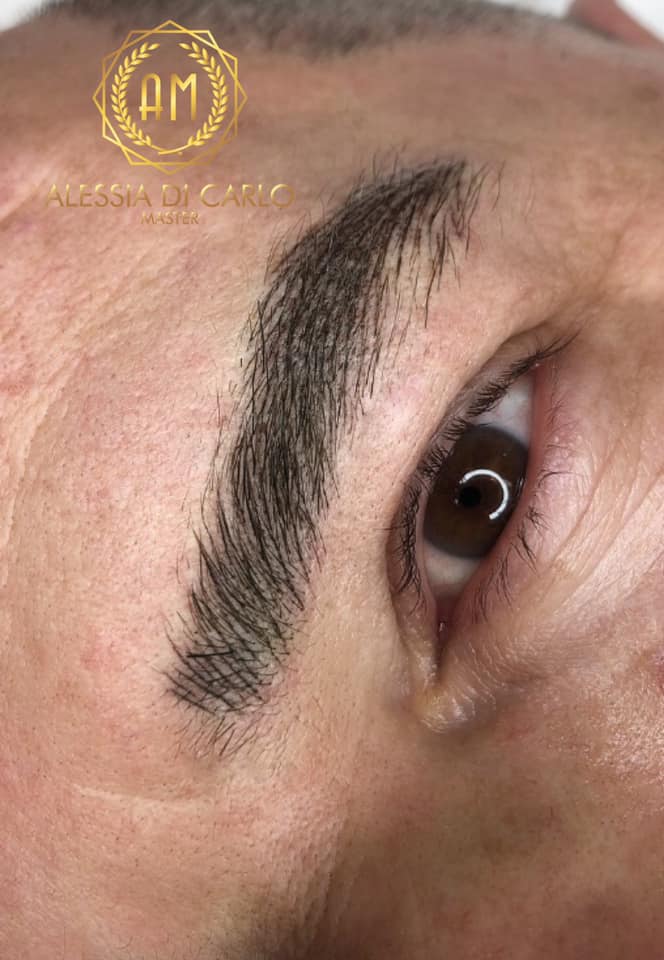
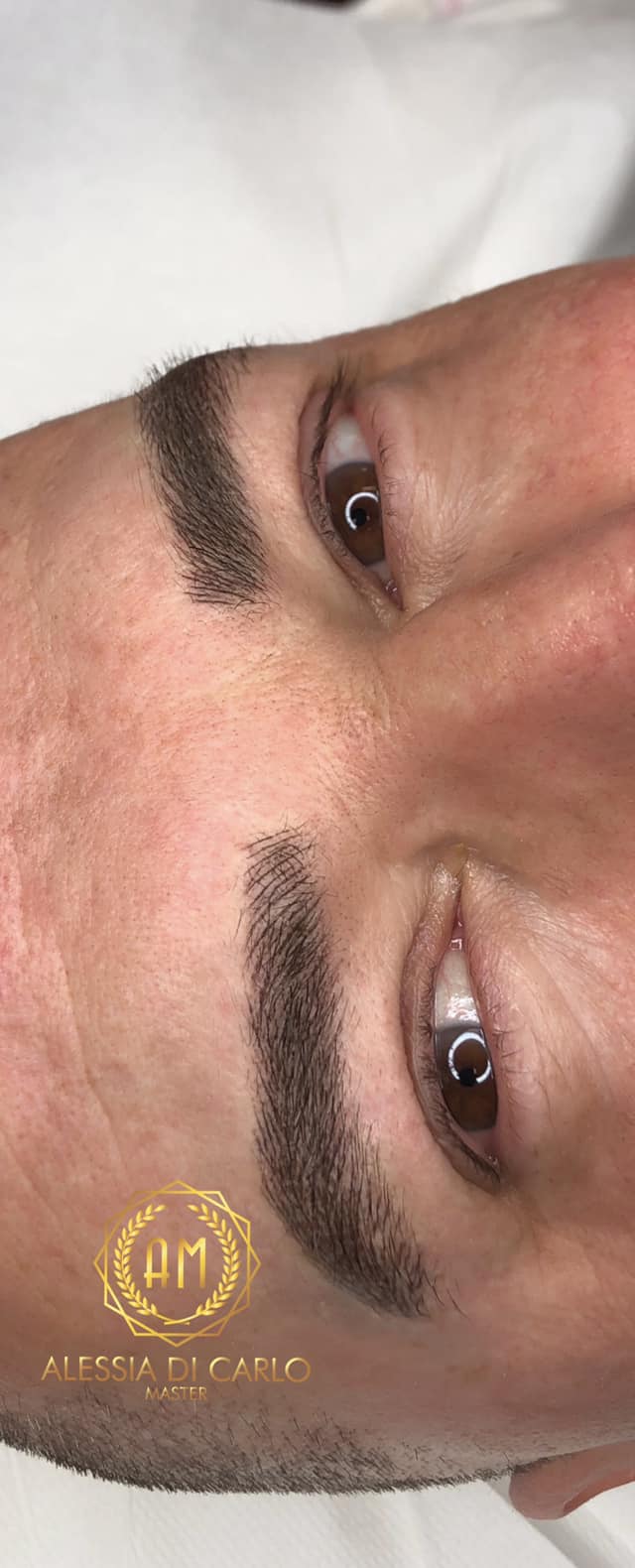
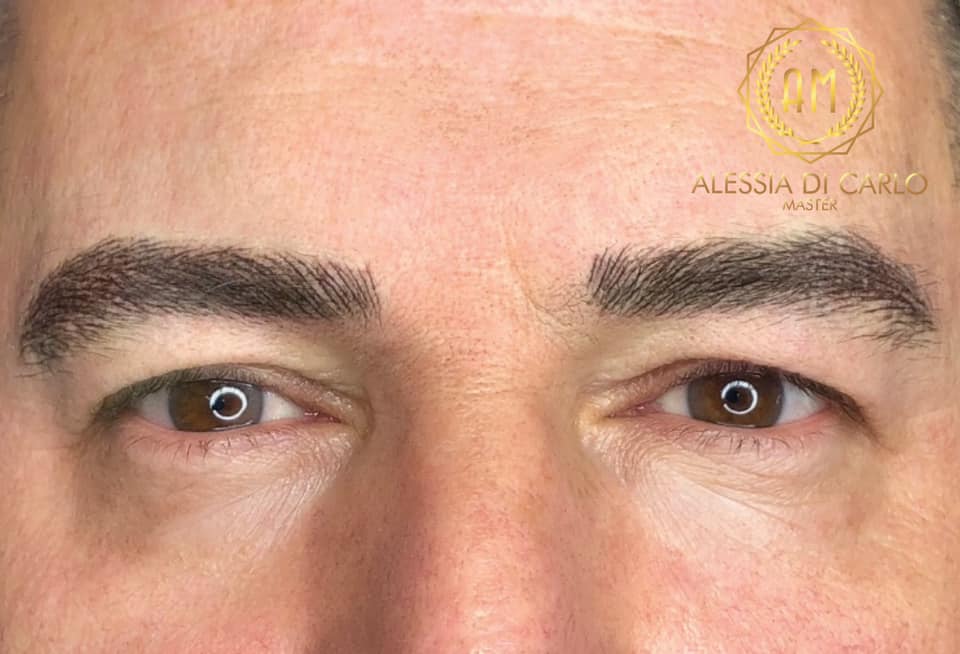
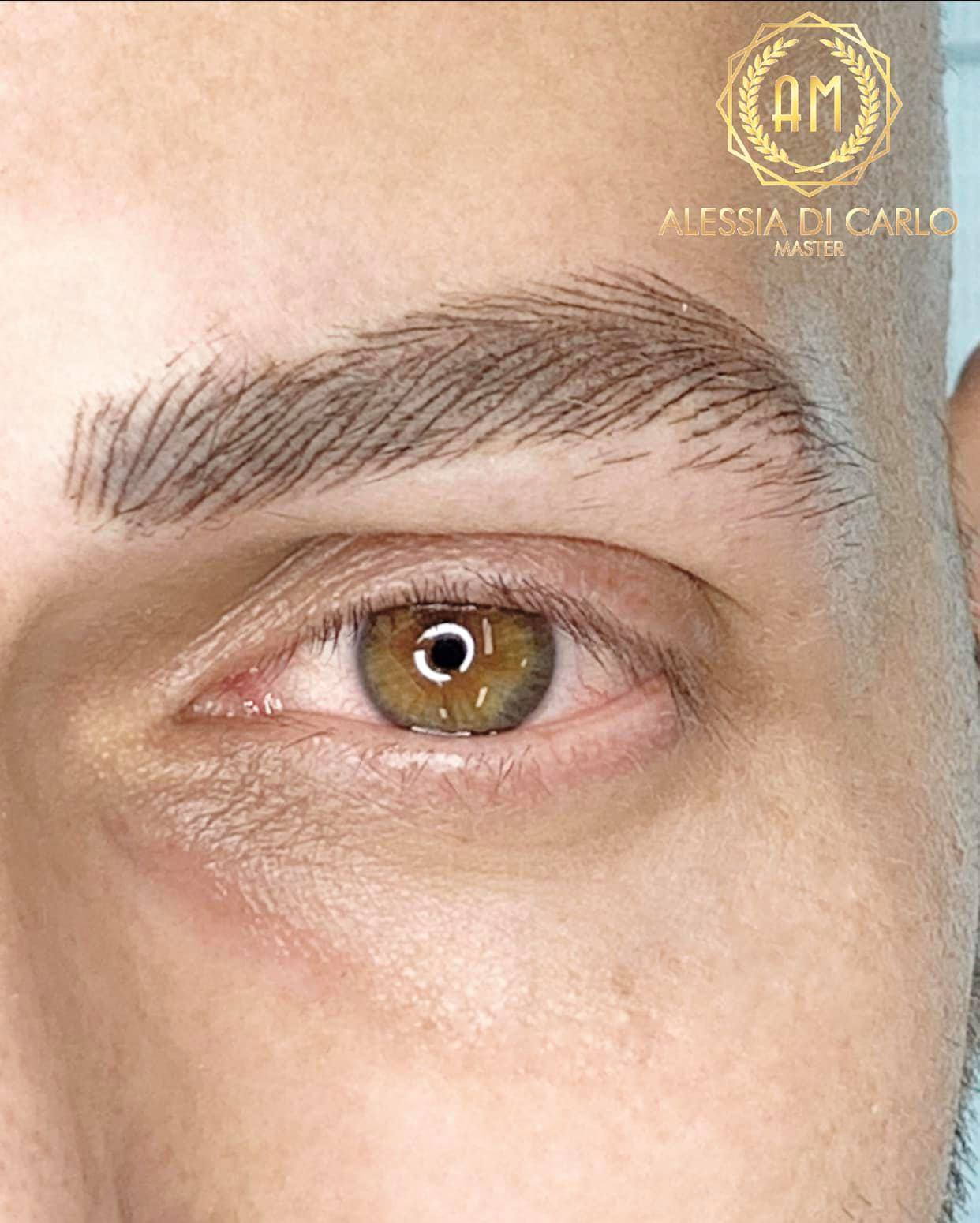
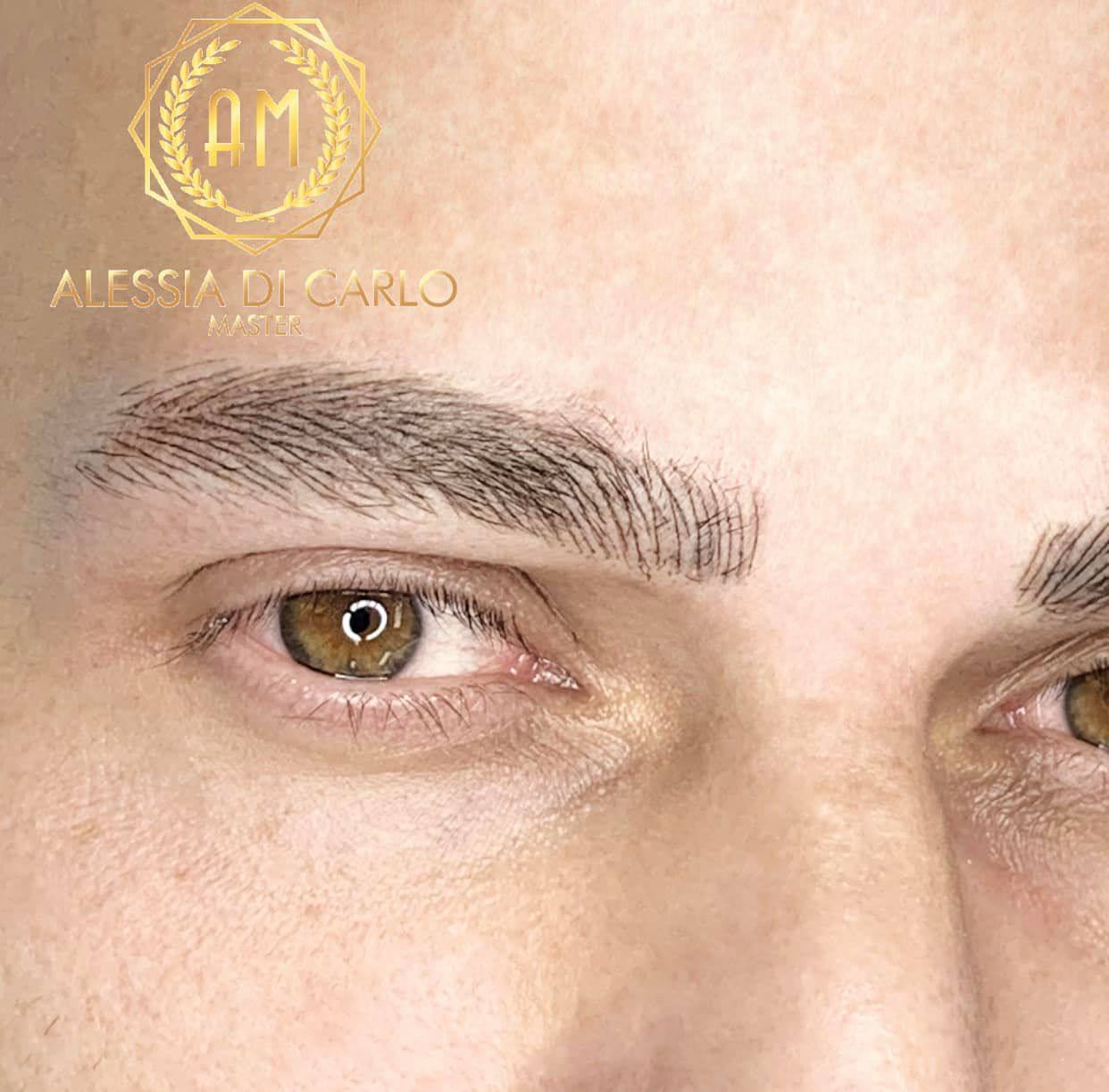
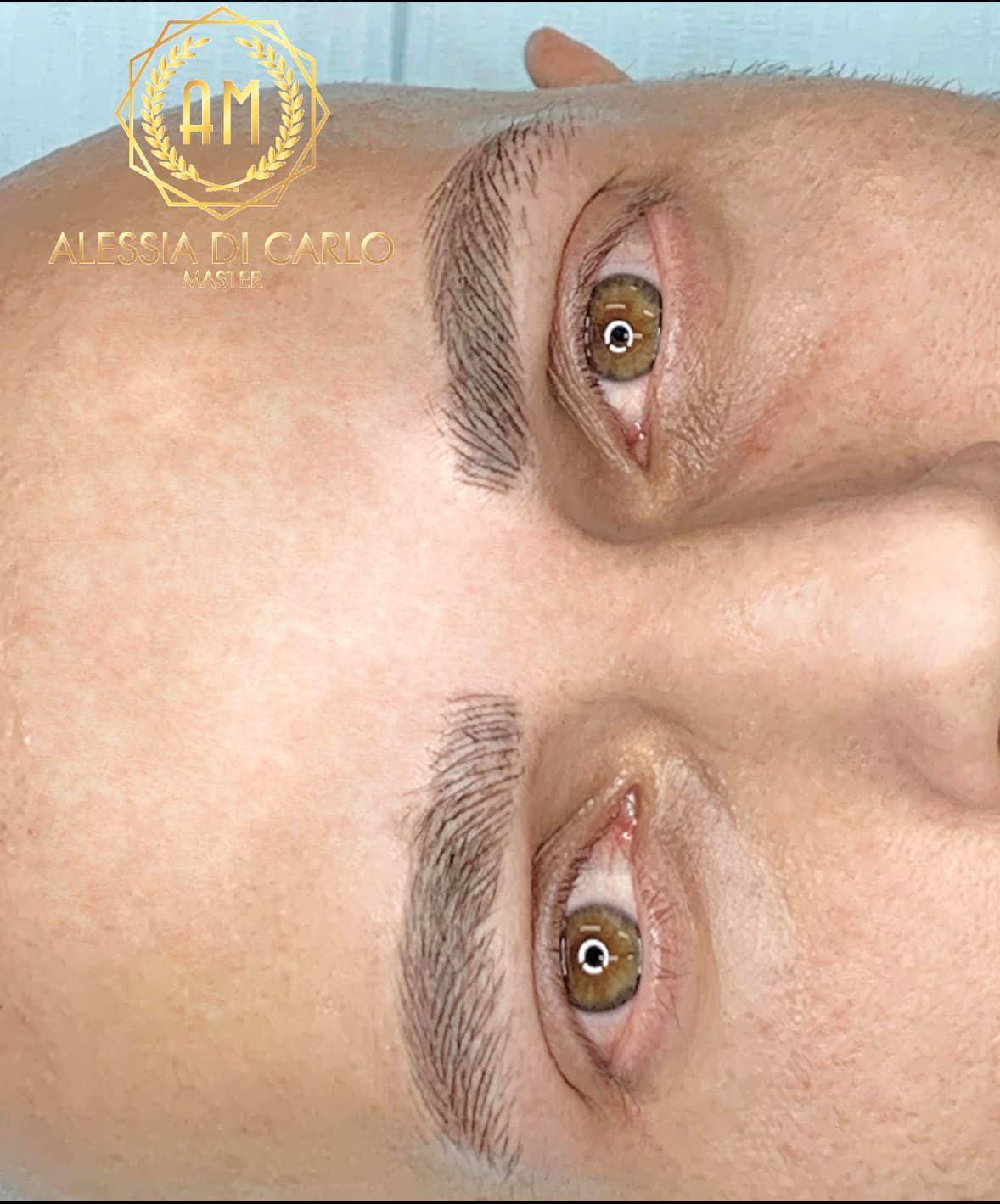
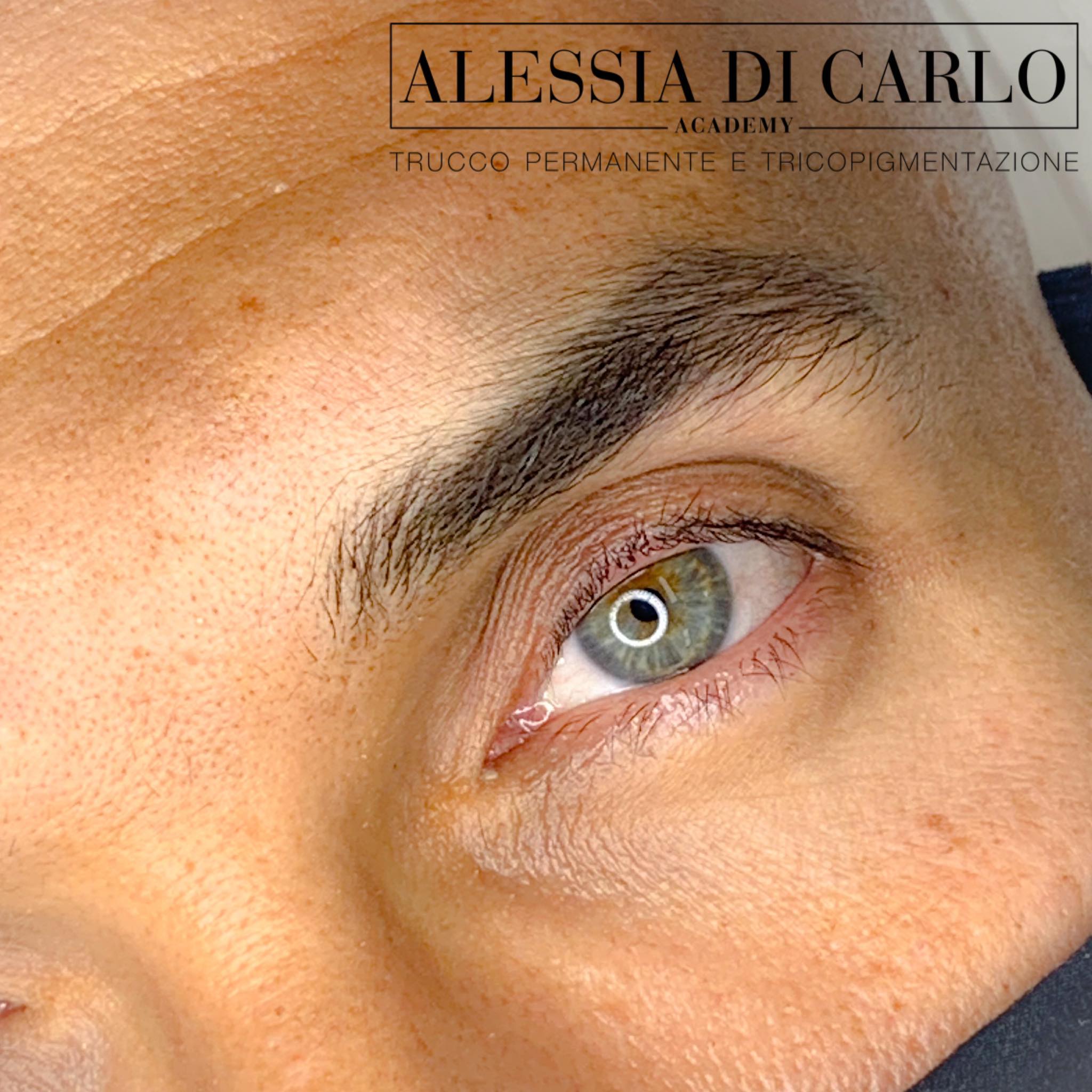
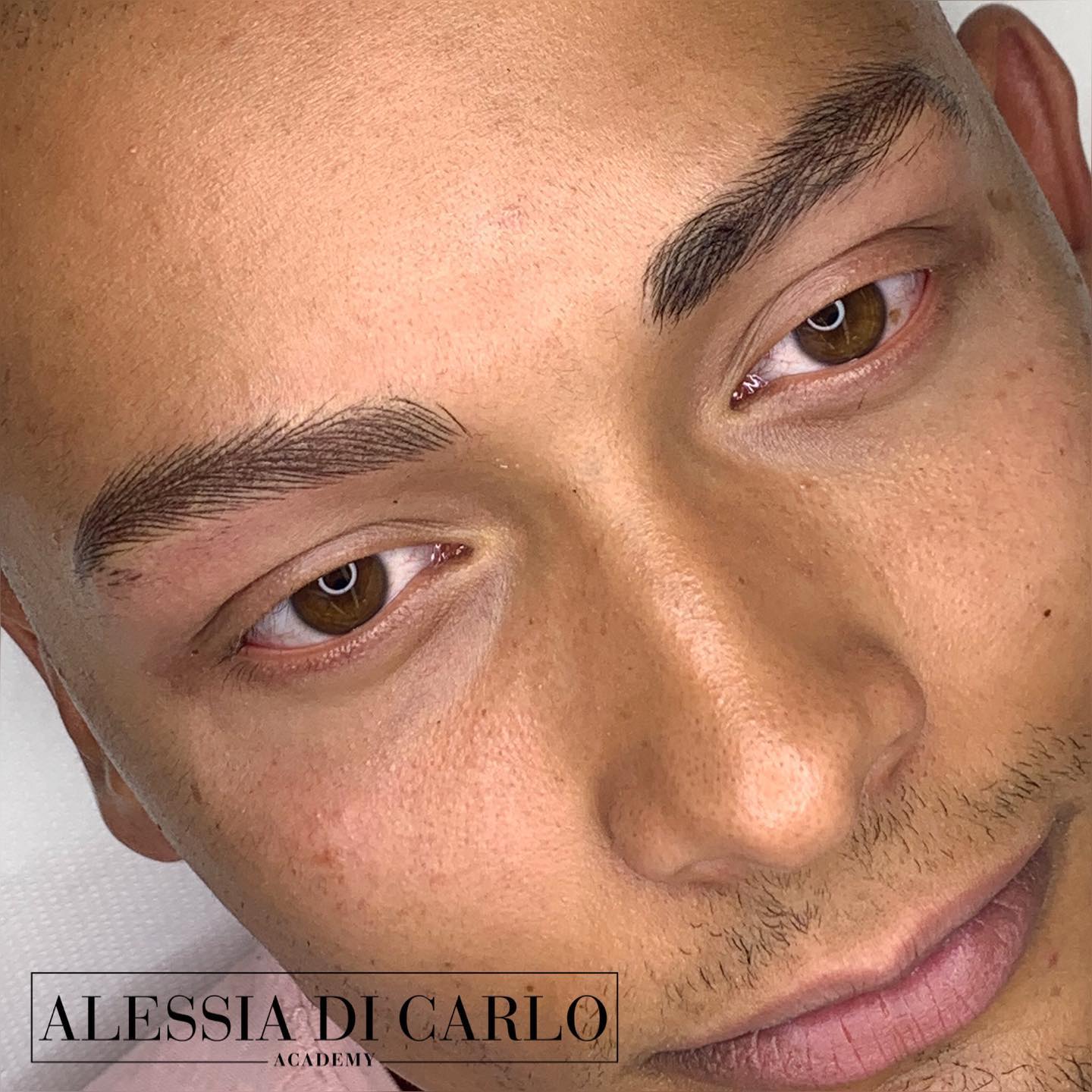
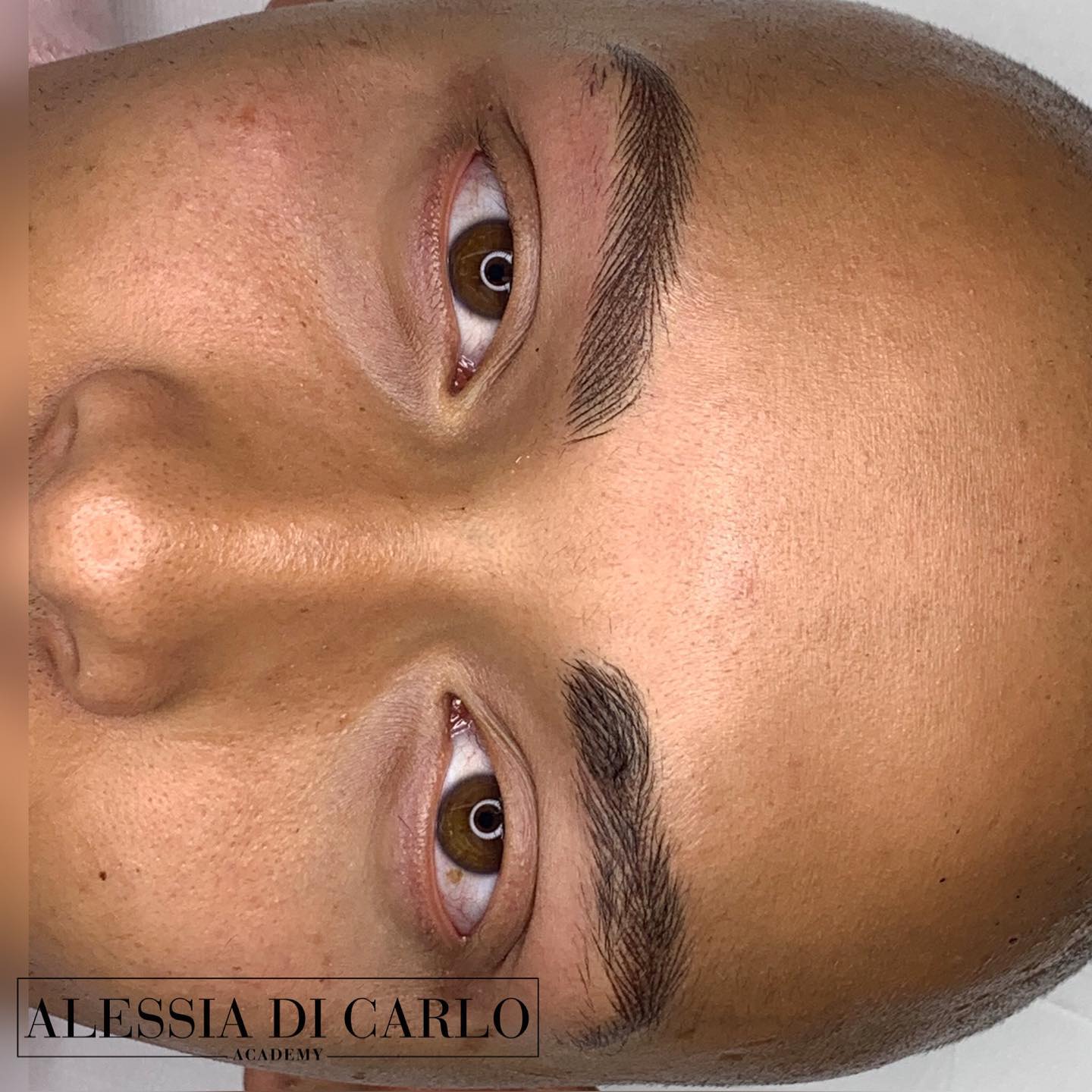
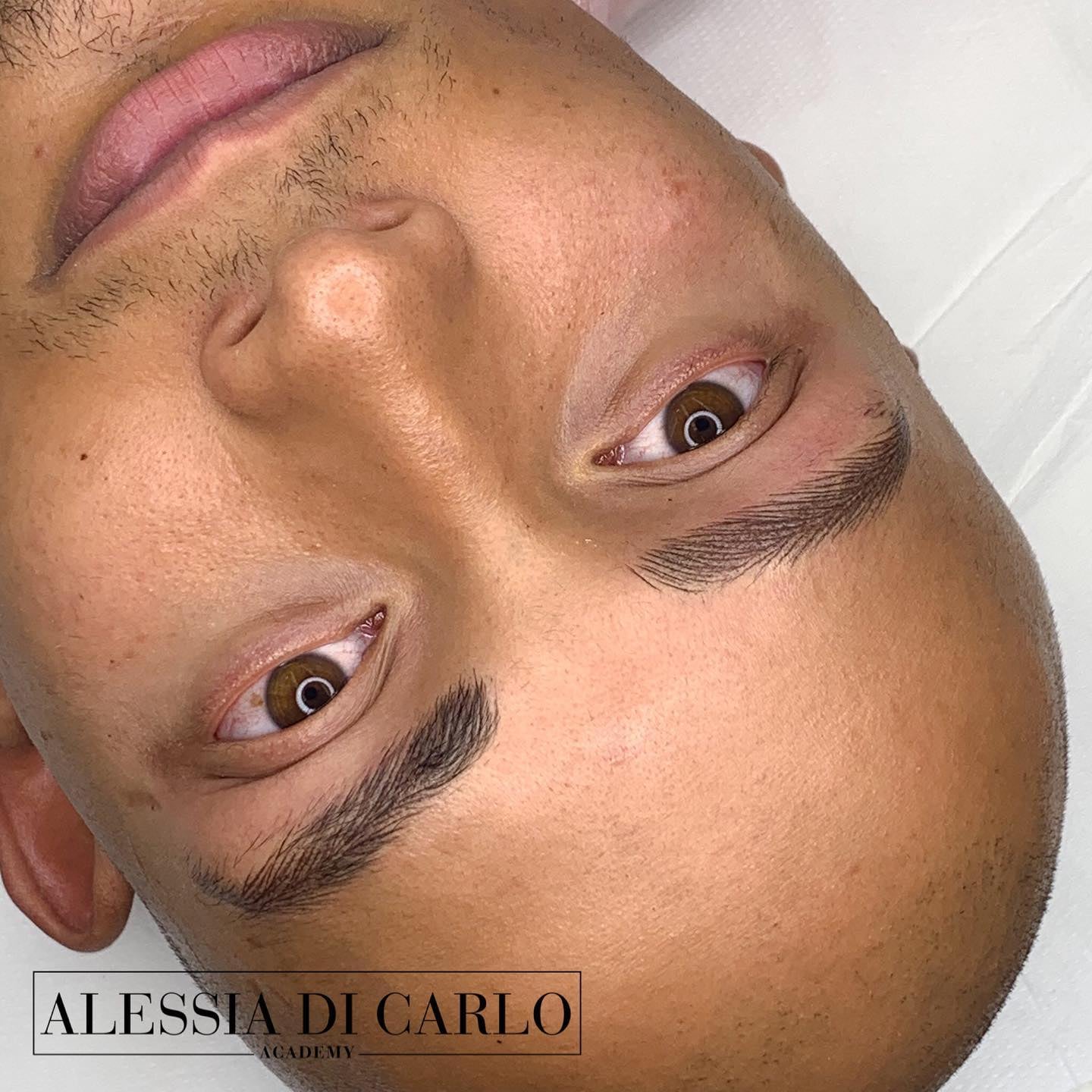
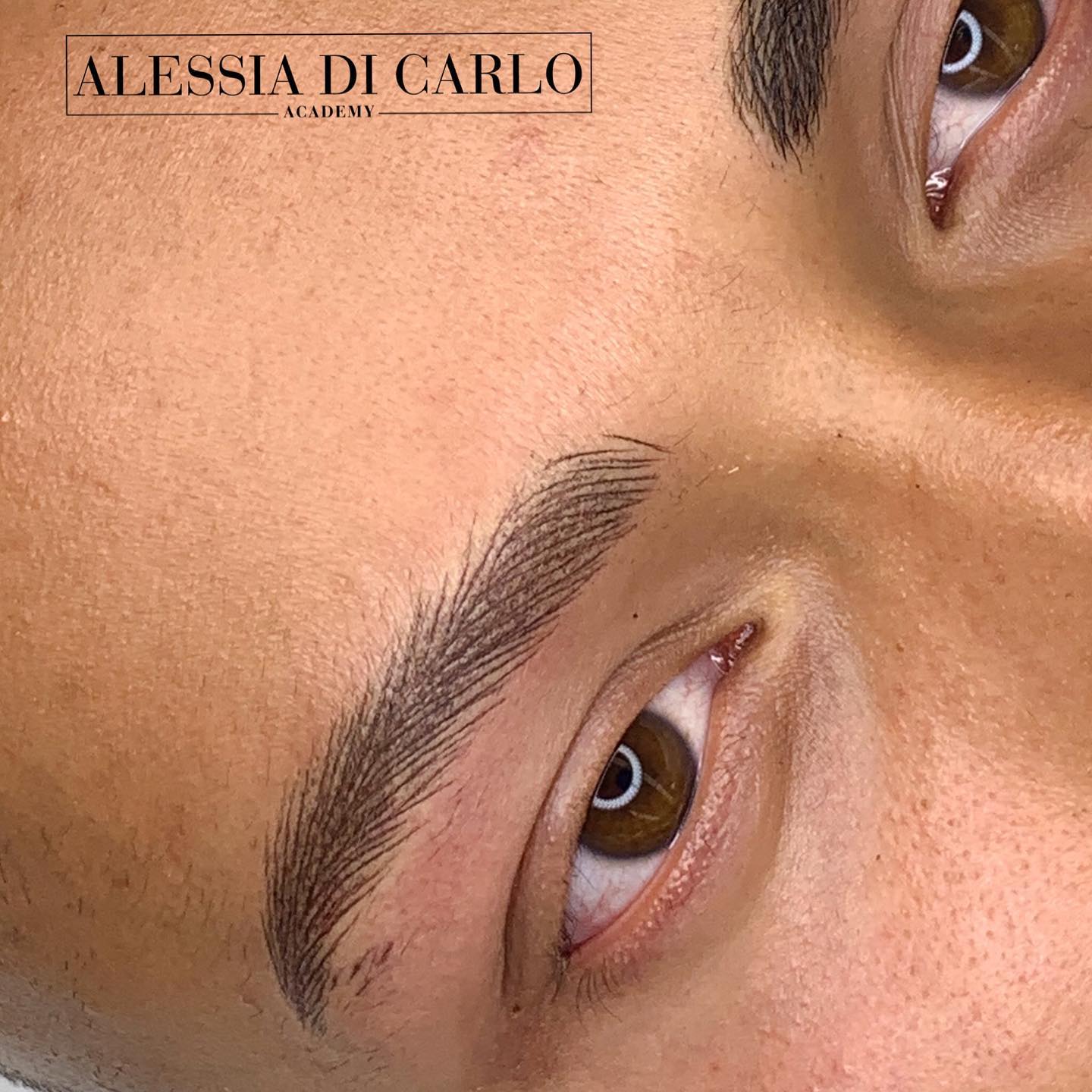
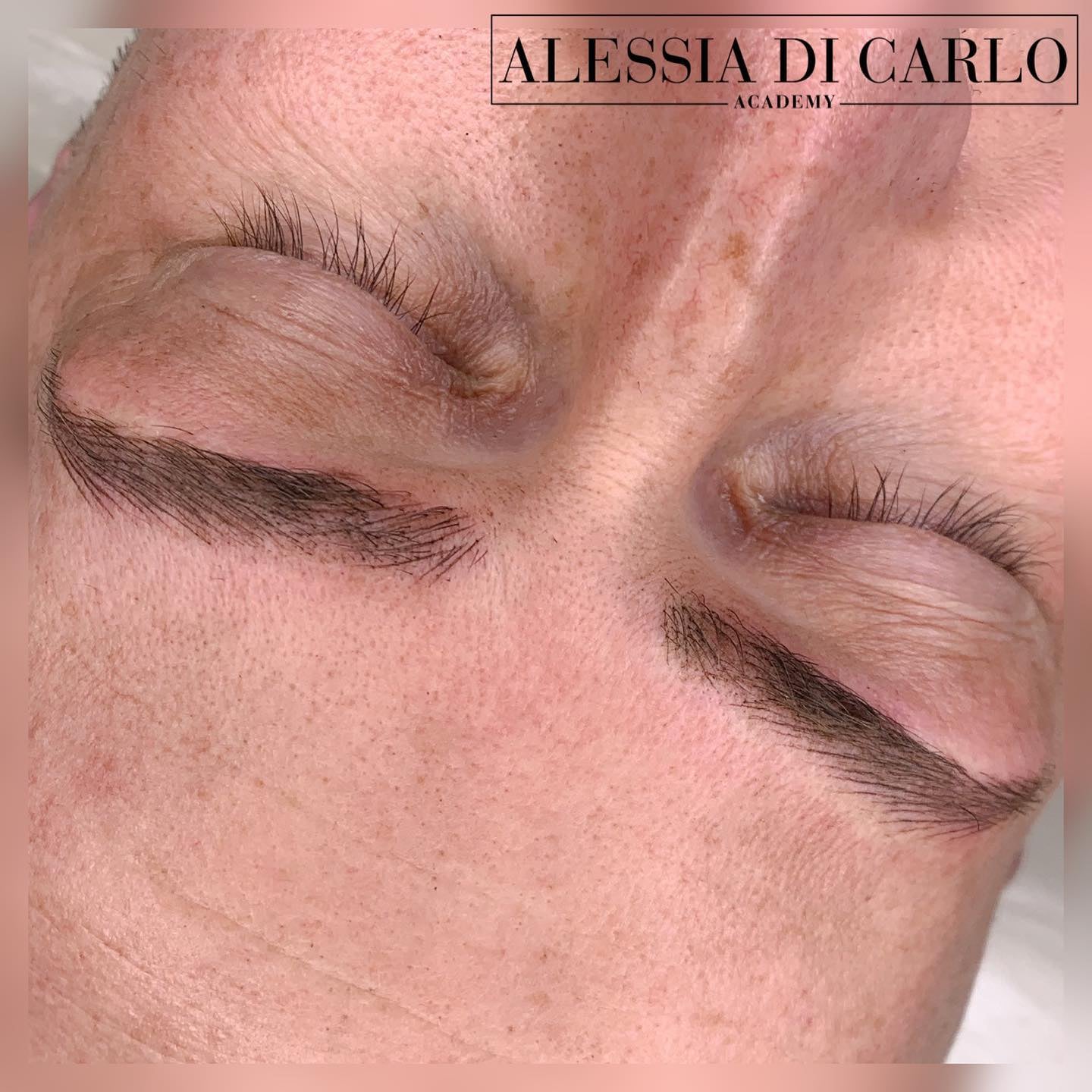
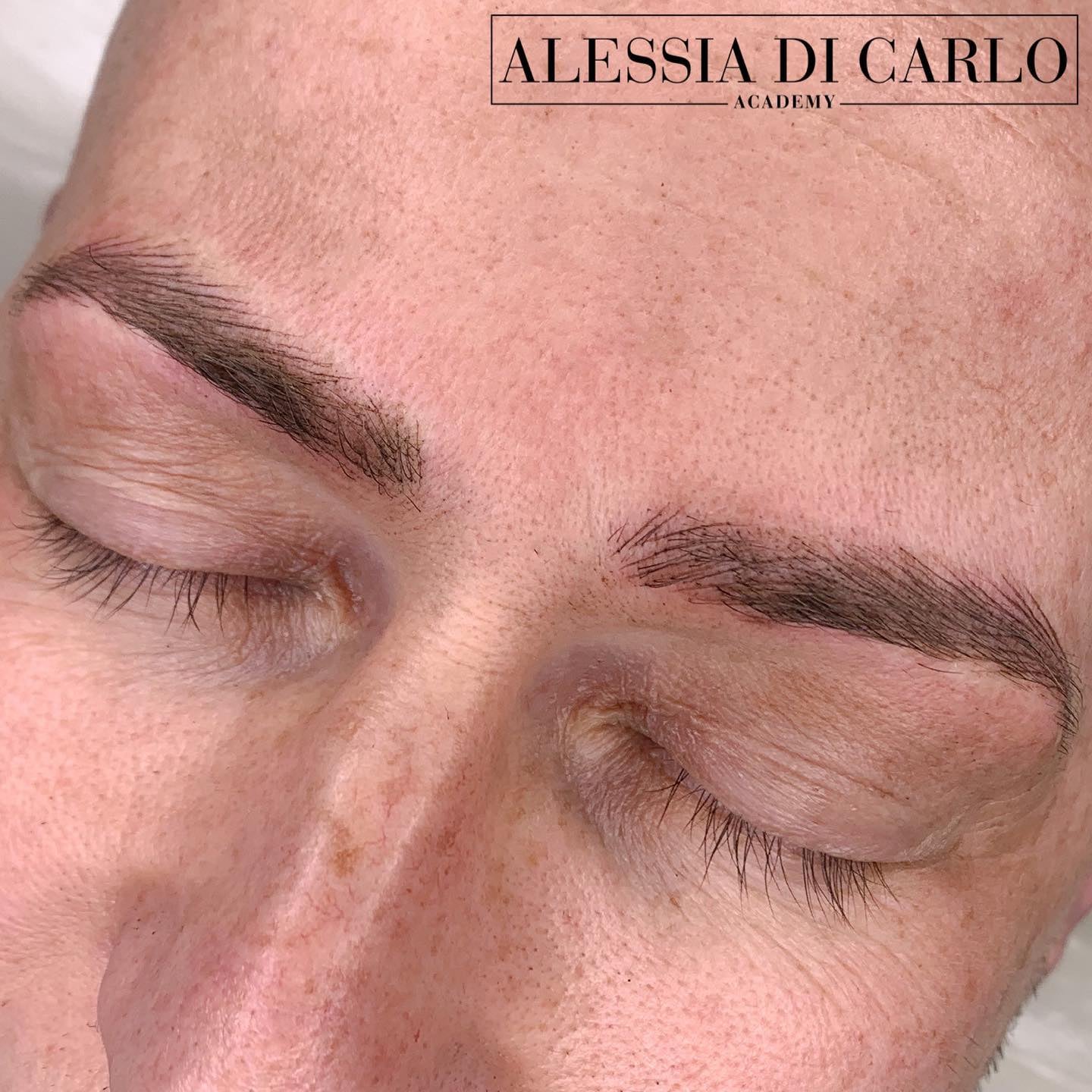
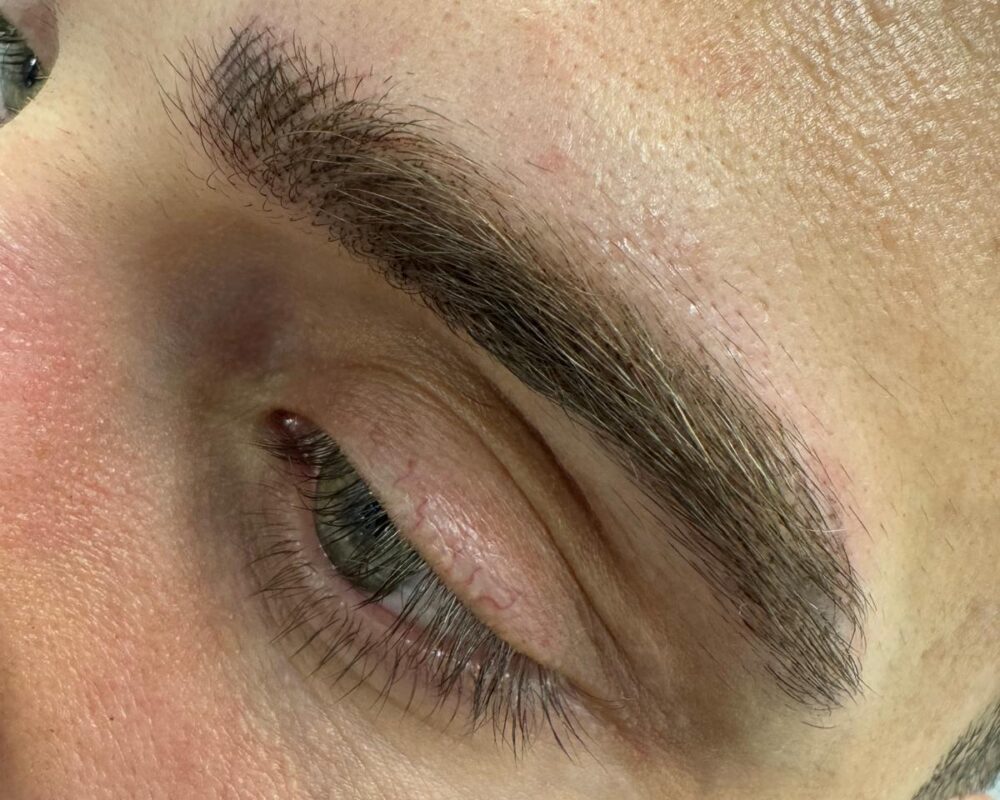
Permanent Makeup for Men Requires a Precise Method
On the male face, the treatment must blend in naturally,
without altering expression or identity.
The goal is not a strongly defined appearance,
but a balance between proportions, structure and presence.
When the work is done properly, the eyebrow does not look artificial:
it looks naturally suited to the face.
Listening & Analysis
Every treatment begins with a careful assessment of each individual's unique characteristics.
Bone structure, proportions, hair density, areas of thinning and any signs of alopecia are carefully evaluated before any treatment is performed.
Nothing is standardised.
Personalised Design
In male eyebrow design, planning is essential.
The shape is generally more linear.
The structure should not make the face appear harsh.
Hair reconstruction follows natural growth patterns, avoiding rigid formulas or excessive symmetry.
The goal is not to draw.
It is to restore harmony.
Natural Results Over Time
The treatment is carried out in a gradual, safe and controlled manner.
The result is not designed to create an immediate impact,
but to maintain consistency and balance over time.
Naturalness remains the guiding principle.

Suitable For
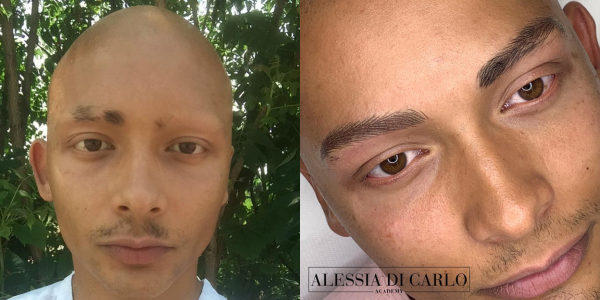
- Men with thinning or uneven eyebrows
- Those who want a more defined and well-groomed appearance without altering their expression
- Those experiencing eyebrow thinning related to alopecia (subject to individual assessment)
- Those seeking a discreet, harmonious and long-lasting result
Every treatment is unique,
because the person receiving it is unique.
A well-performed treatment requires proper care in the days that follow.
Follow the studio's official aftercare instructions.
Frequently Asked Questions
The first and most significant difference between Microblading and Permanent Makeup lies in the application method. Microblading uses a blade to create multiple small incisions in the skin, designed to simulate the appearance of eyebrow hairs.
When repeatedly performed in the same areas over the years, Microblading may be more likely to cause trauma to the upper layers of the skin, potentially resulting in superficial or deeper scarring. In addition, Microblading is not suitable for all skin types and is generally not recommended for oily or very thin skin. On oily skin, the pigment may spread over time, reducing the natural appearance of the initial hair-stroke effect. Thin skin, being more fragile and less elastic, may be more prone to scarring or trauma if not treated carefully. It may also retain pigment less effectively, potentially affecting the longevity of the result. Permanent Makeup performed with a PMU digital device is generally more delicate, precise and less invasive for the skin. It can be adapted to all skin types, although results and longevity may vary depending on individual skin characteristics. Normal and dry skin are typically ideal for PMU, as the pigment tends to settle more effectively and last longer. Oily skin, due to increased sebum production, may require more frequent touch-ups.
With this technique, it is possible to achieve both a soft, shaded fill, including powder, ombré, soft-shading and pixel effects, and a realistic hair-stroke effect, recreating and defining the natural shape of the eyebrows in detail.
Unlike Microblading, Permanent Makeup performed with a PMU digital device can also be applied to the lips and eyes (eyeliner and lash enhancement).
The needles used in Permanent Makeup are sterile and single-use.
At present, the two terms have the same meaning. Originally, the term “permanent” referred to treatments performed using permanent pigments, a technique that was soon abandoned because, over time, the shape and colour of these tattoos often changed significantly, frequently developing blue tones
This led to the introduction of bioresorbable pigments, which are safe and allow for periodic touch-ups, ensuring that the result remains fresh and impeccable over time.
Permanent Makeup provides a remarkable and long-lasting result, although it is not permanent.
Because the pigments are bioresorbable, they are gradually absorbed by the skin over time. This process is highly individual, and there is no standard duration that applies to everyone. On average, the treatment can last from six months to one year.
The pigments used are certified, dermatologically tested, hypoallergenic and free from heavy metals. They comply with the current REACH regulation, the European Union legislation that ensures consumer safety. The main objective of this regulation is to guarantee a high level of health protection and safety through strict control of chemical products placed on the European market.
All needles used with the PMU digital device are sterile, single-use and opened in front of the client at the time of the treatment. The environment is carefully sanitised, and we use appropriate personal protective equipment.
All of these measures are essential and make the treatment extremely safe.
Permanent Makeup is not considered painful. Since it is performed in the superficial layers of the skin, it may cause, at most, a mild sensation of discomfort, which also depends on each individual's pain threshold. We do not use any type of anaesthetic in our studio.
In general, clients are in a state of complete relaxation and therefore do not experience significant discomfort.