Permanent Makeup to Achieve Natural Perfection
The Alessia Di Carlo Method
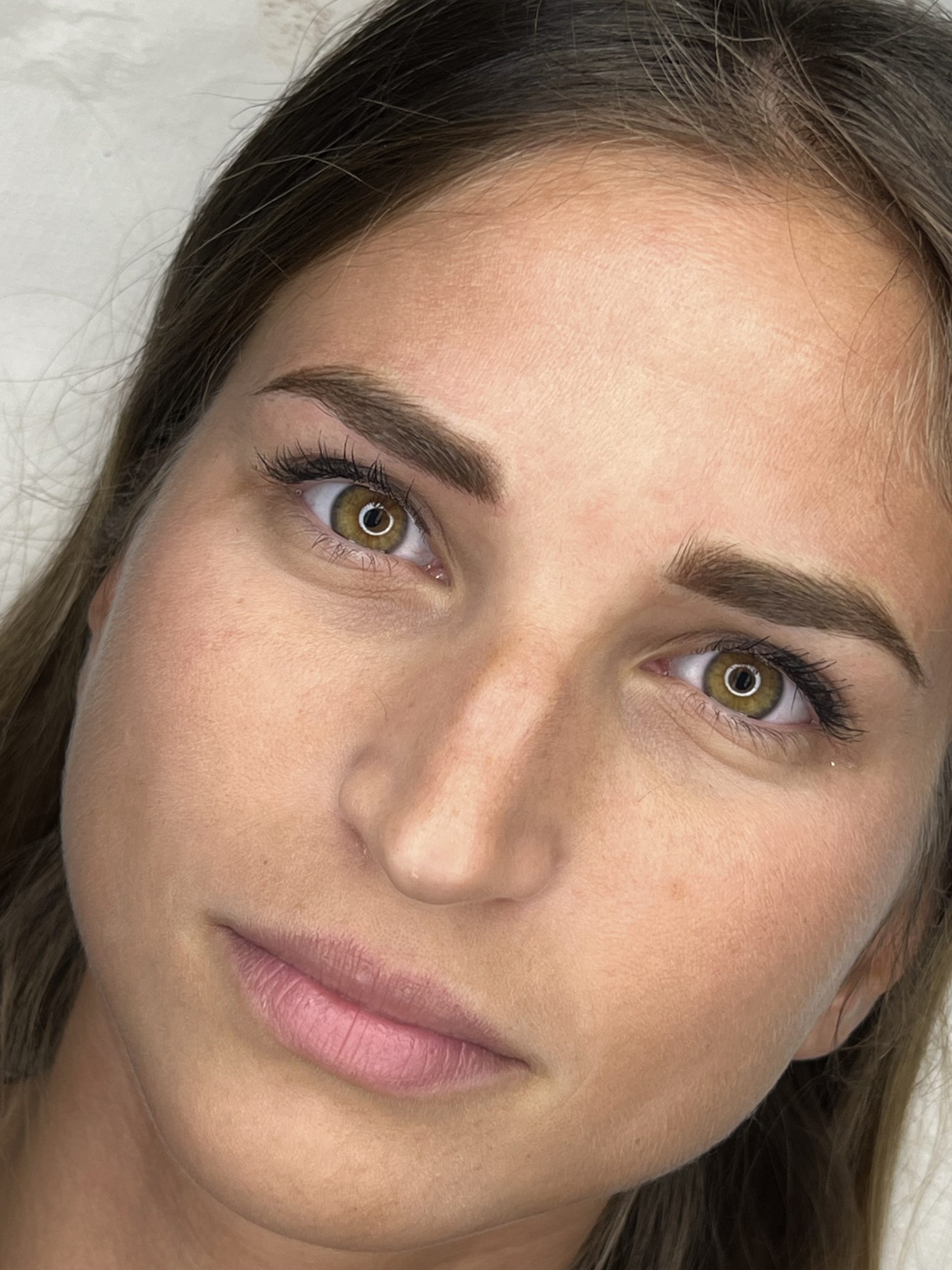
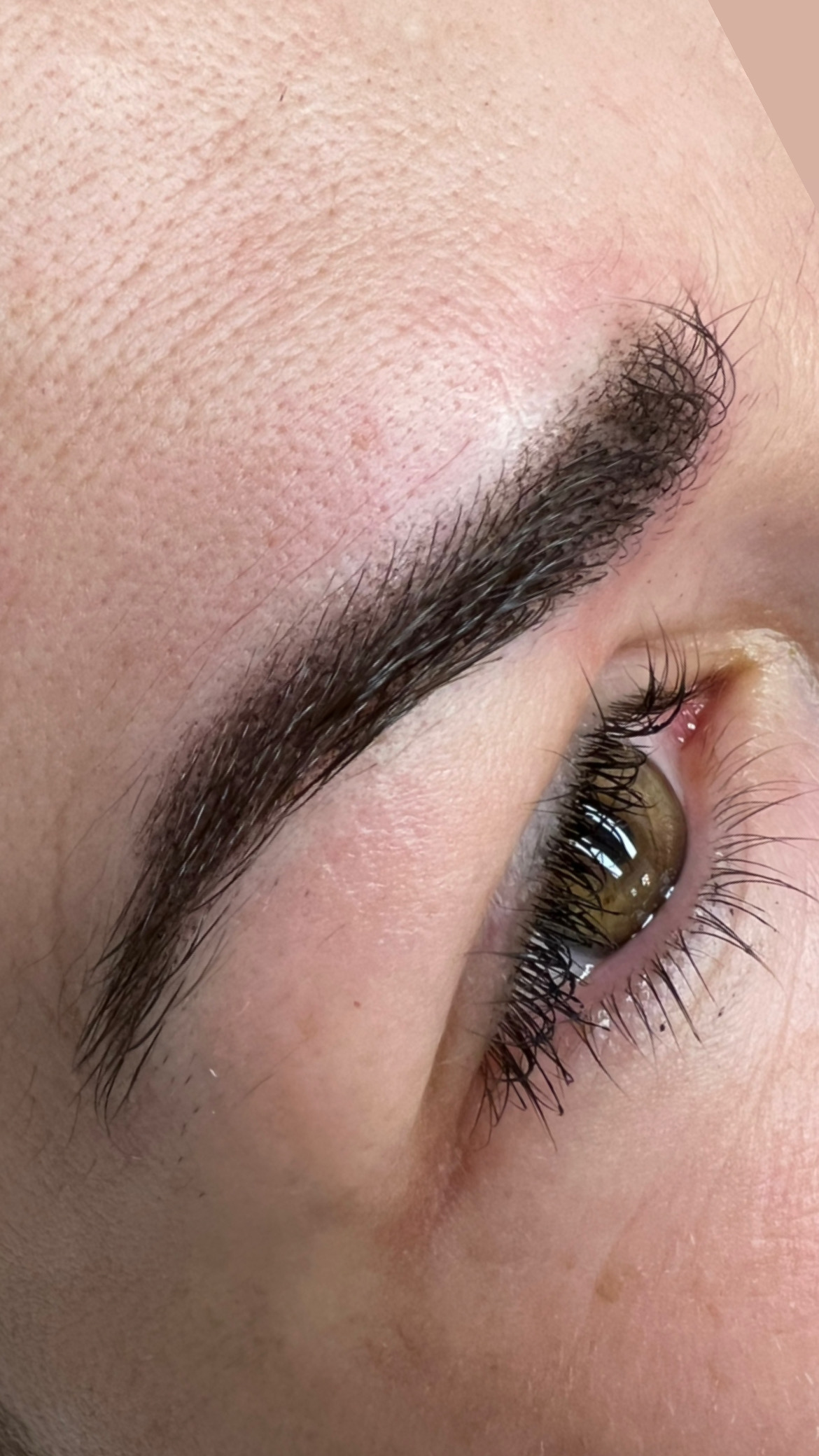
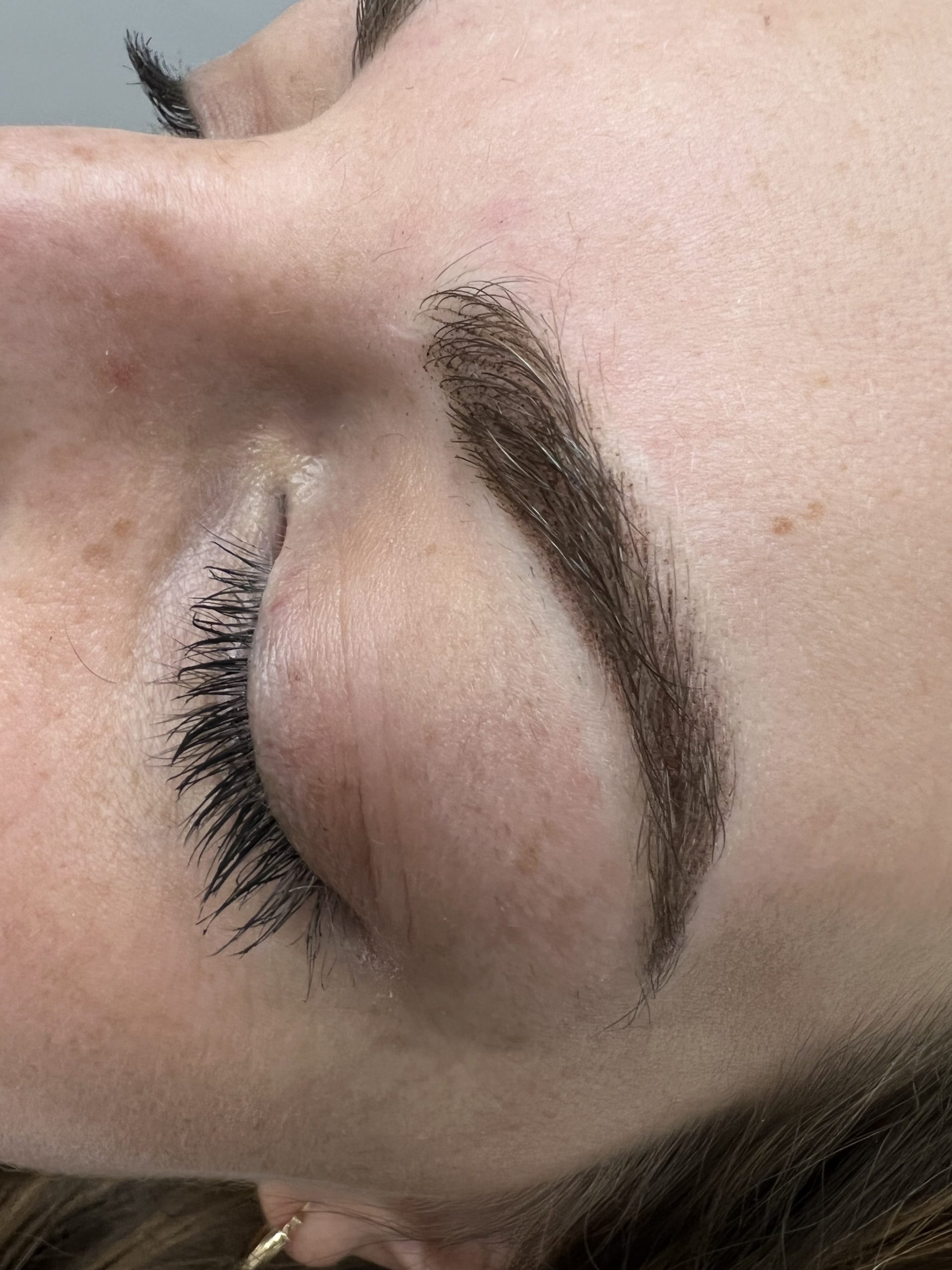
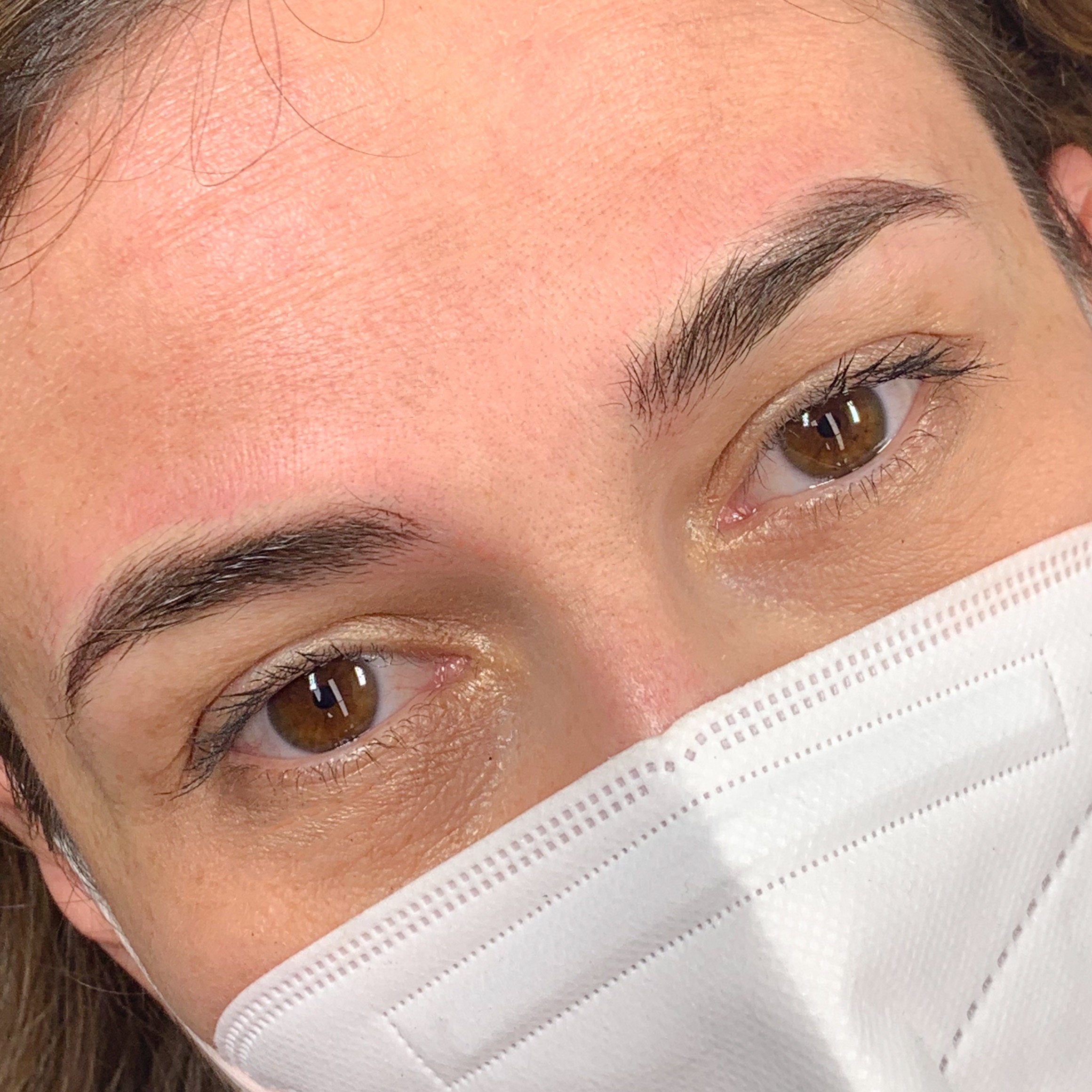
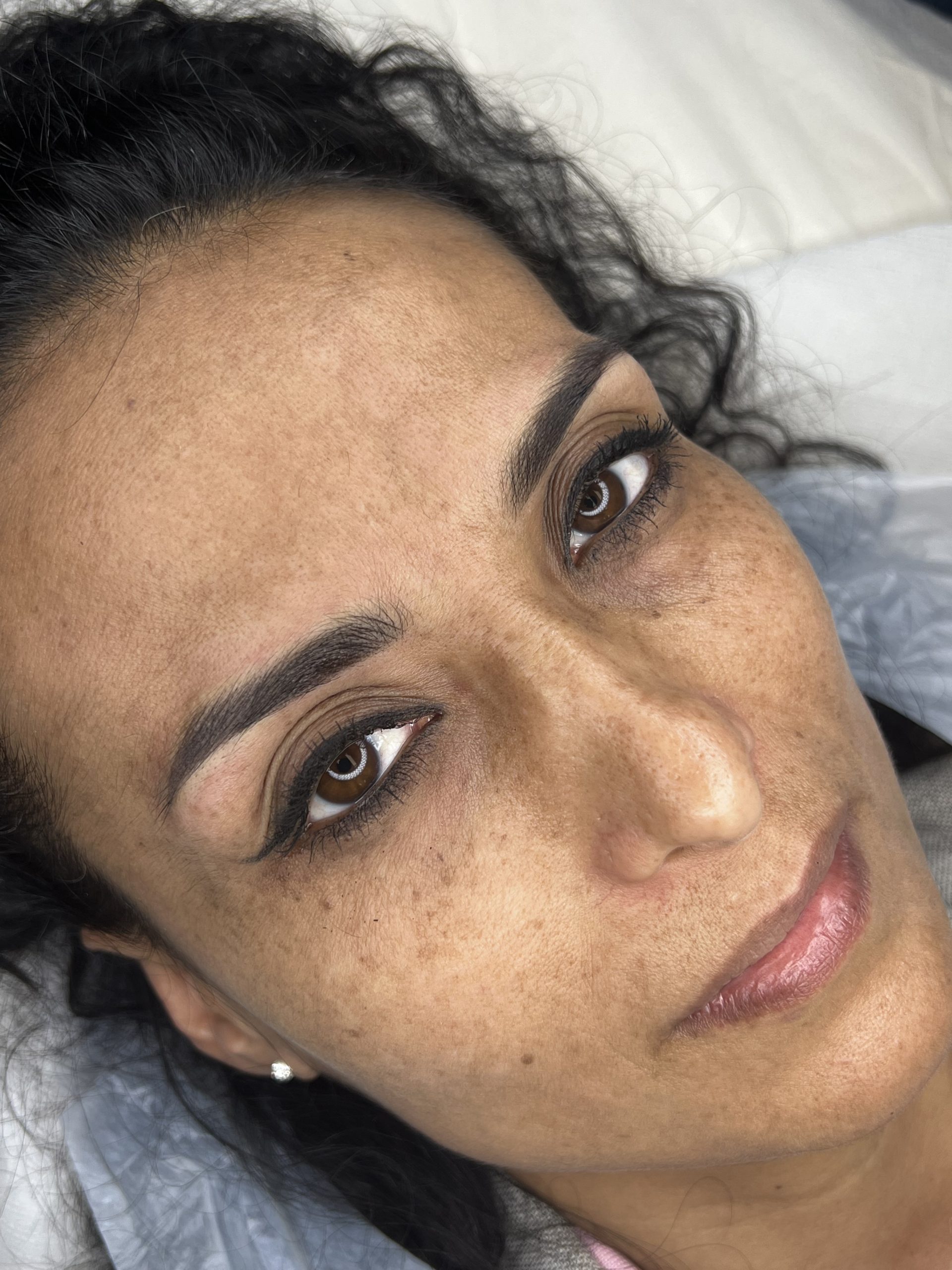
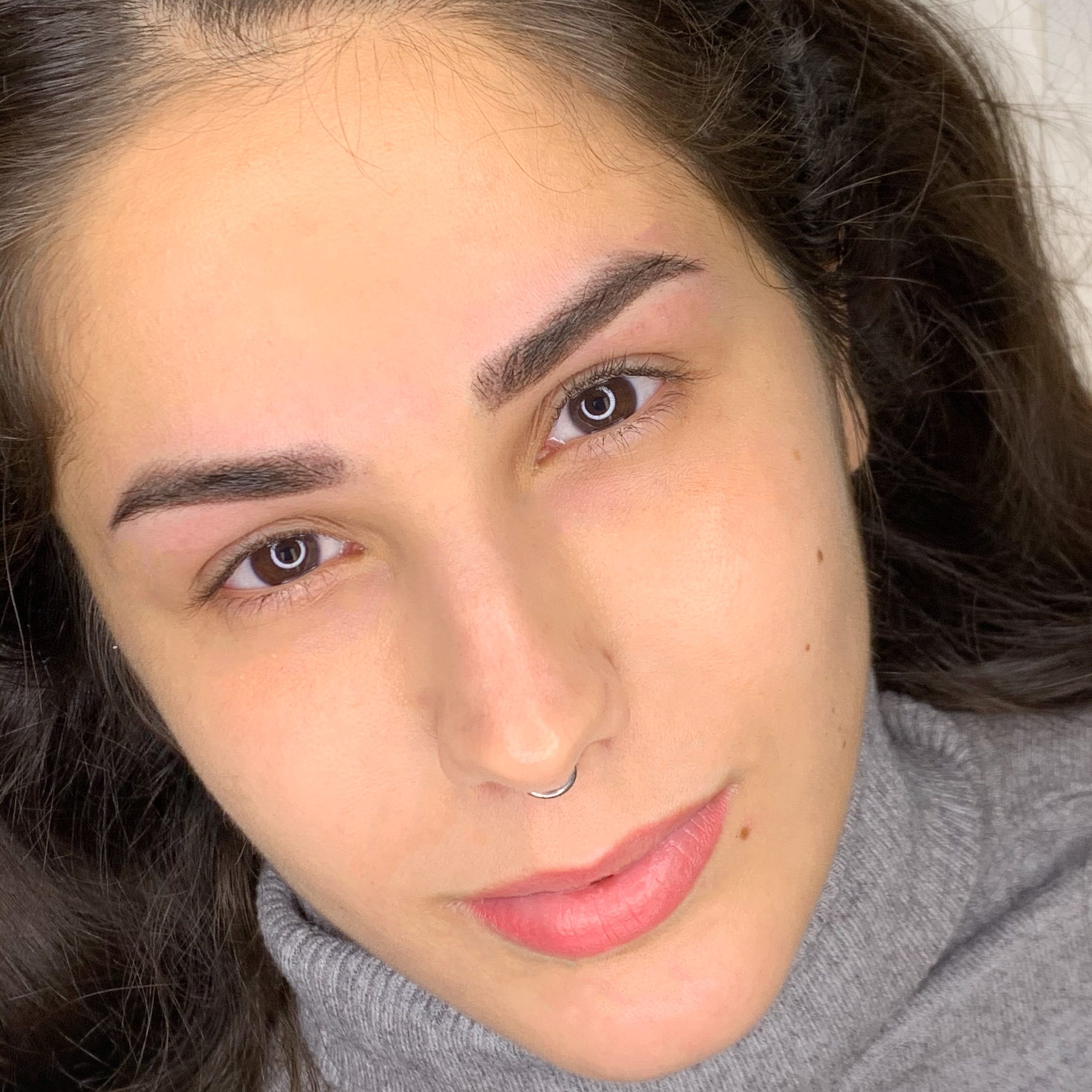
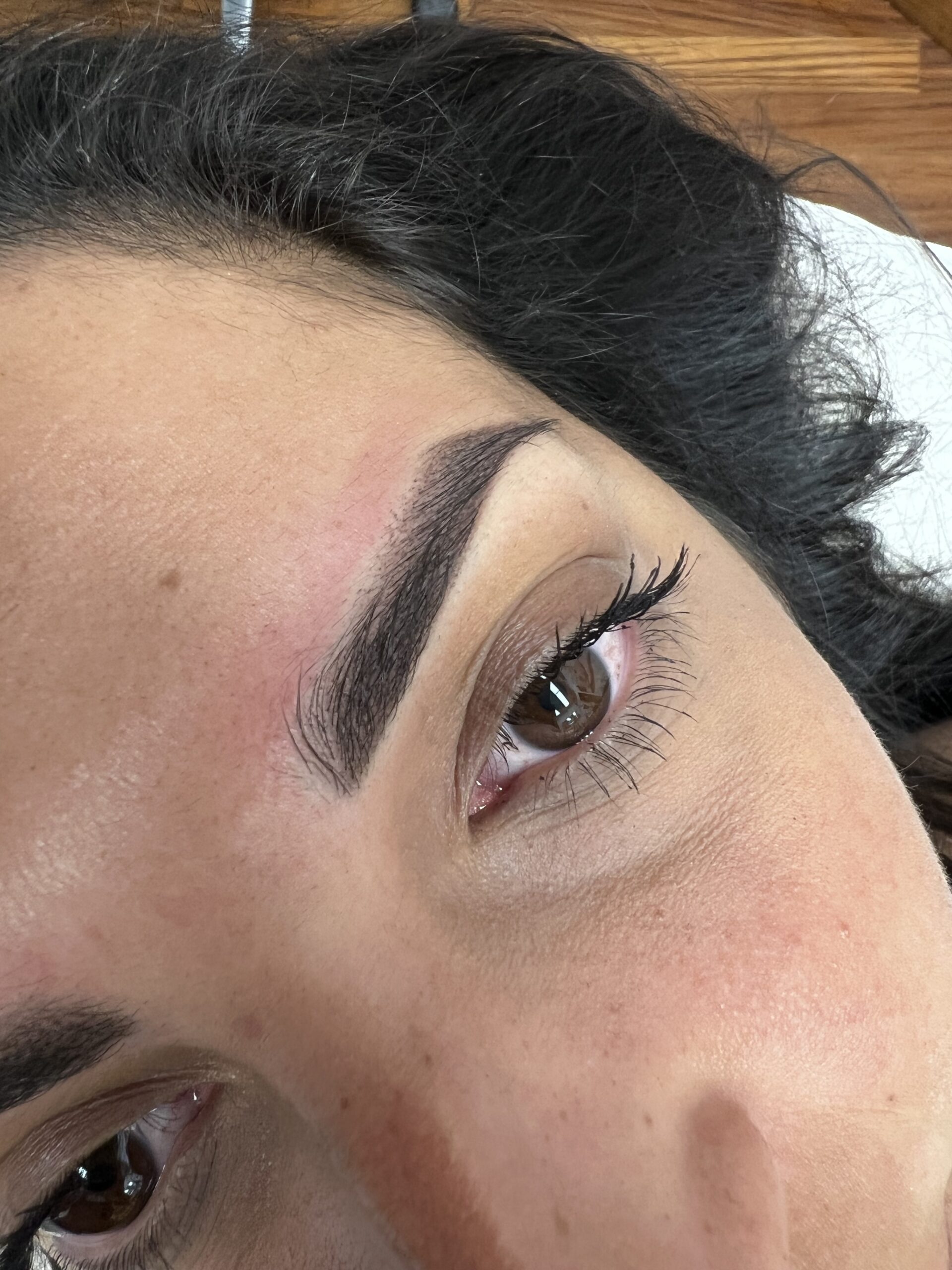
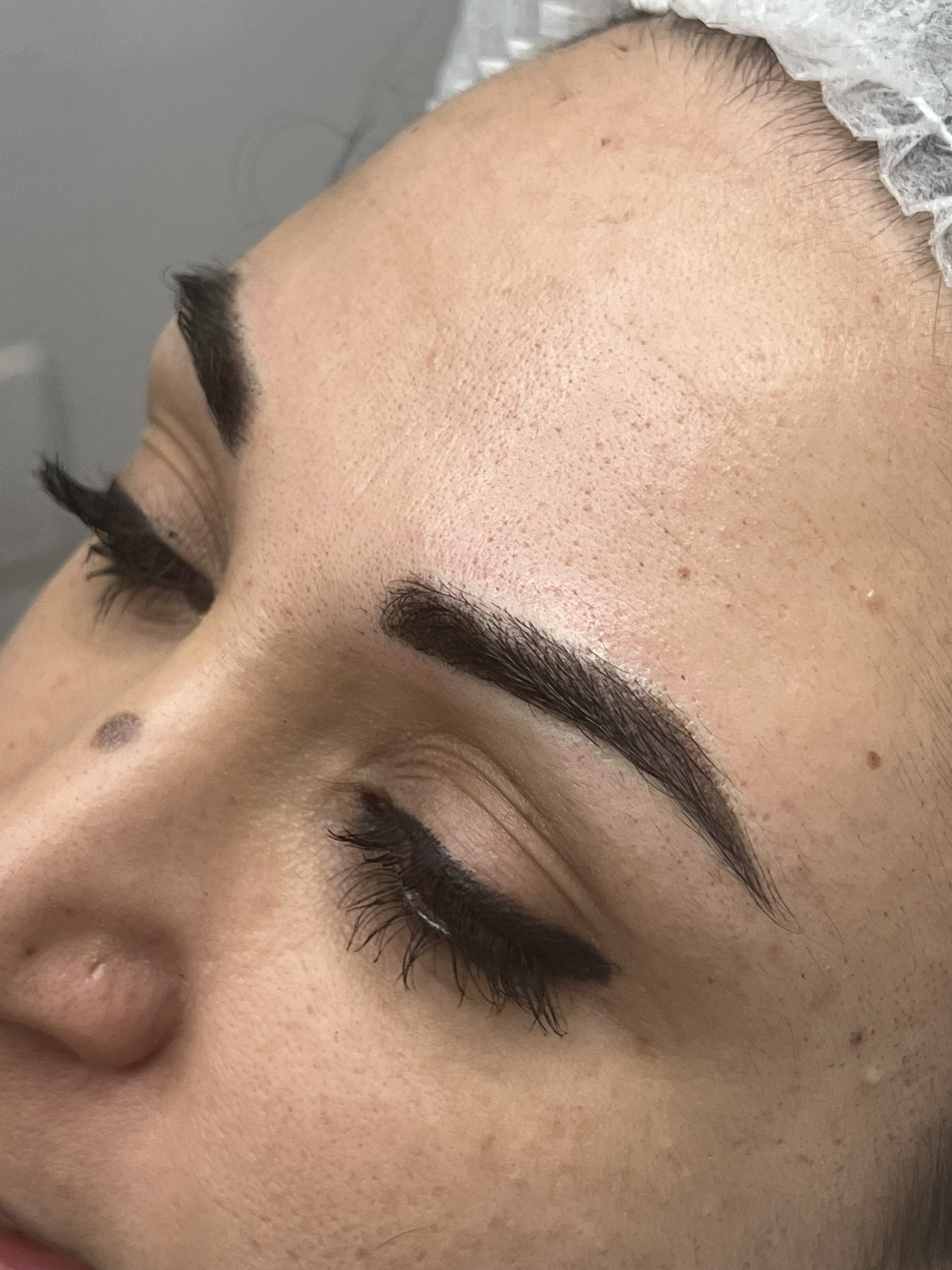
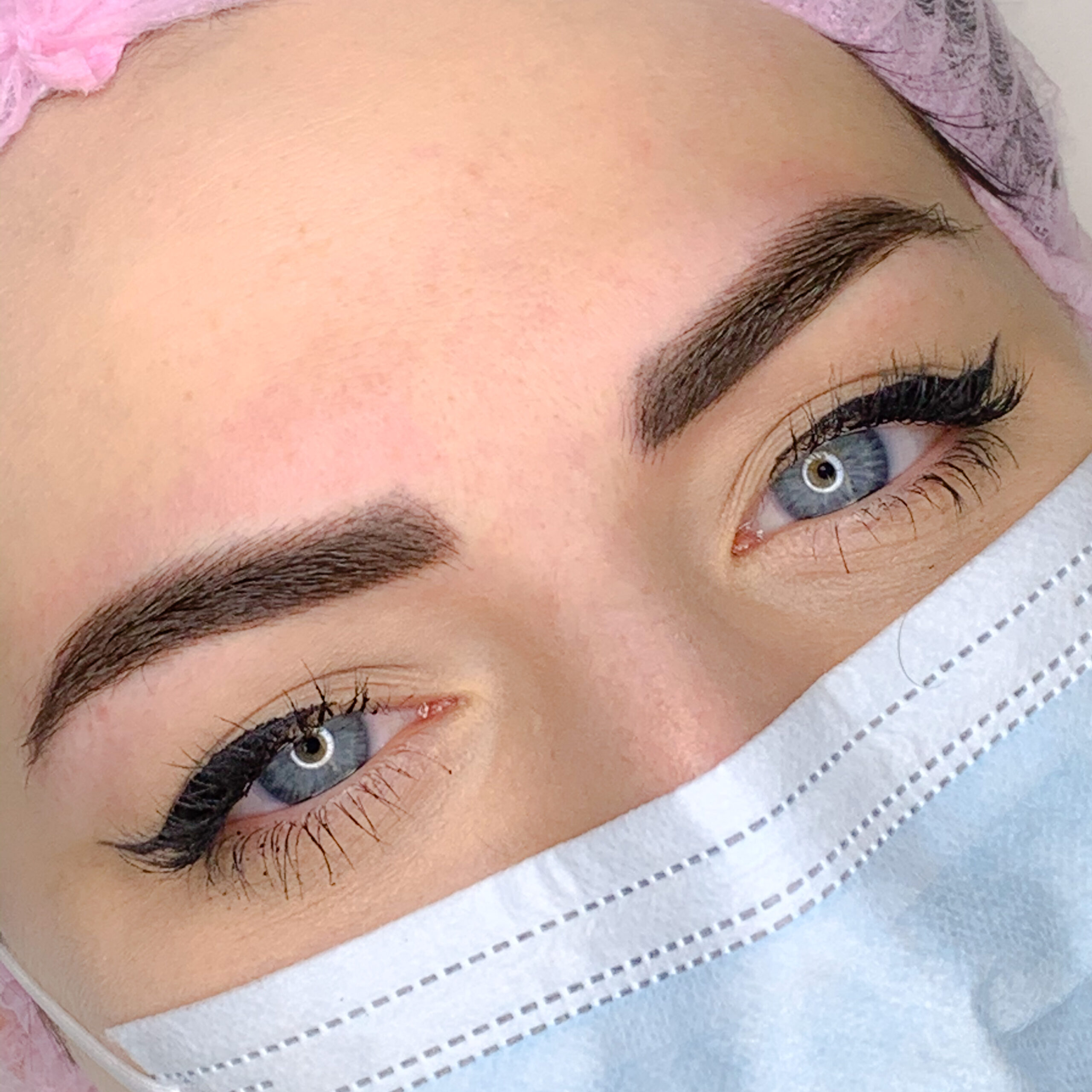
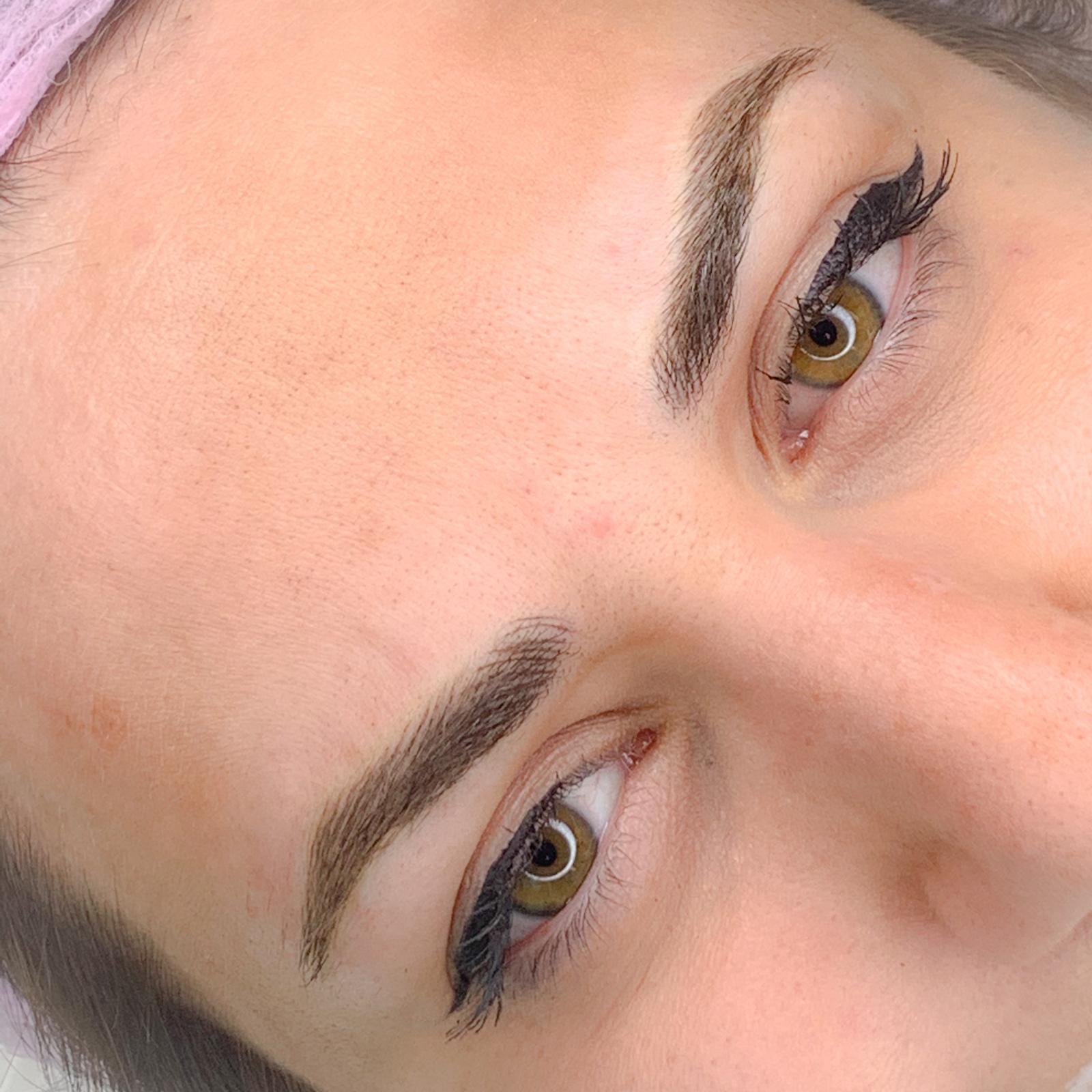
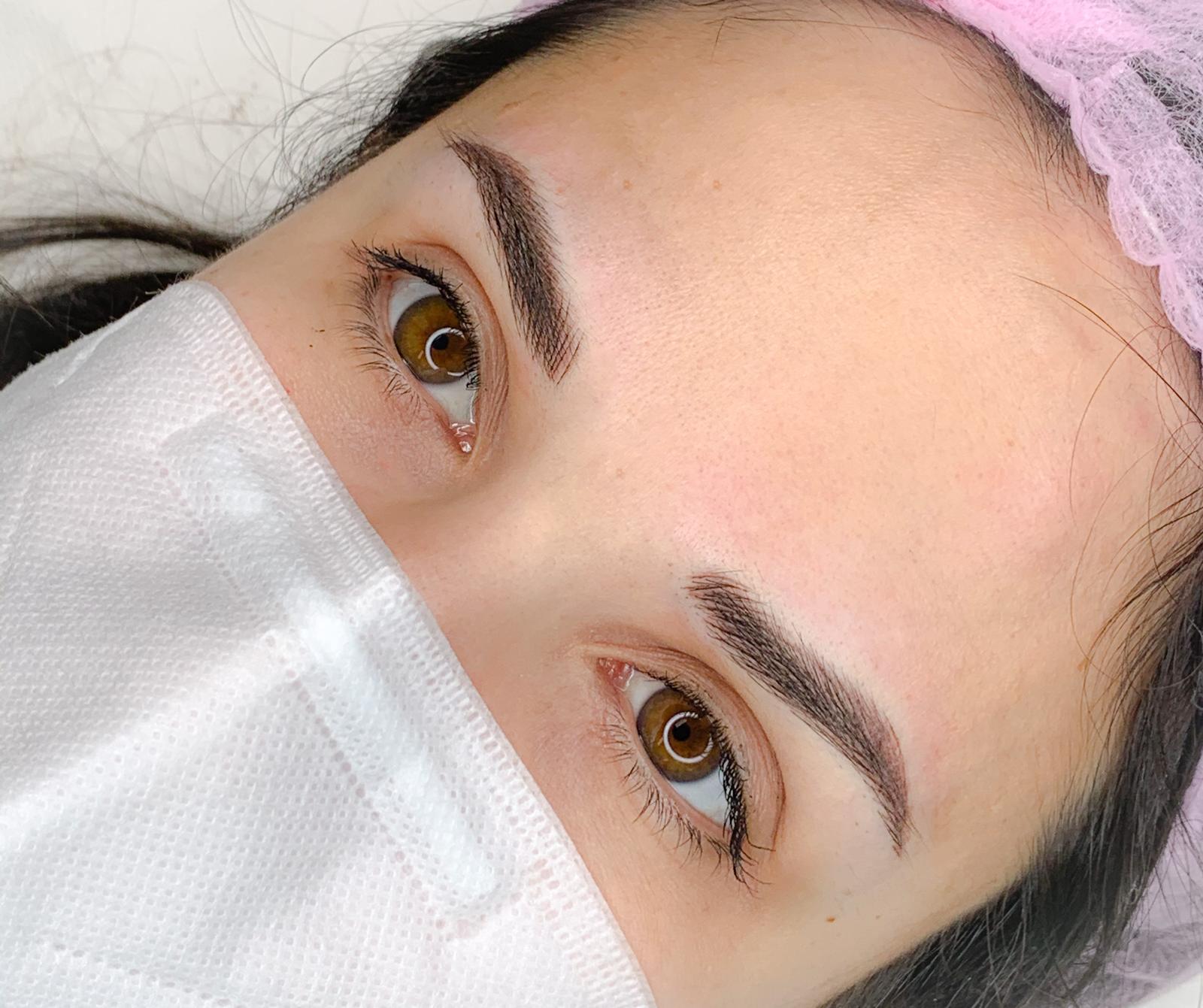
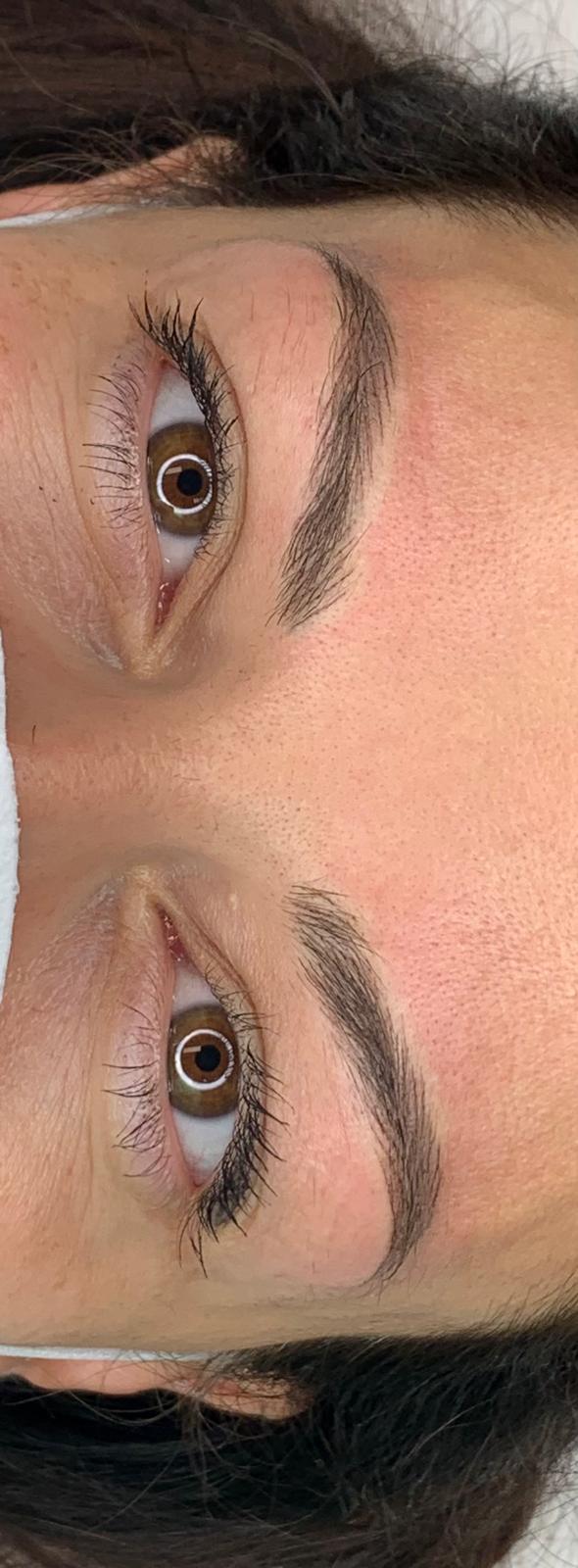
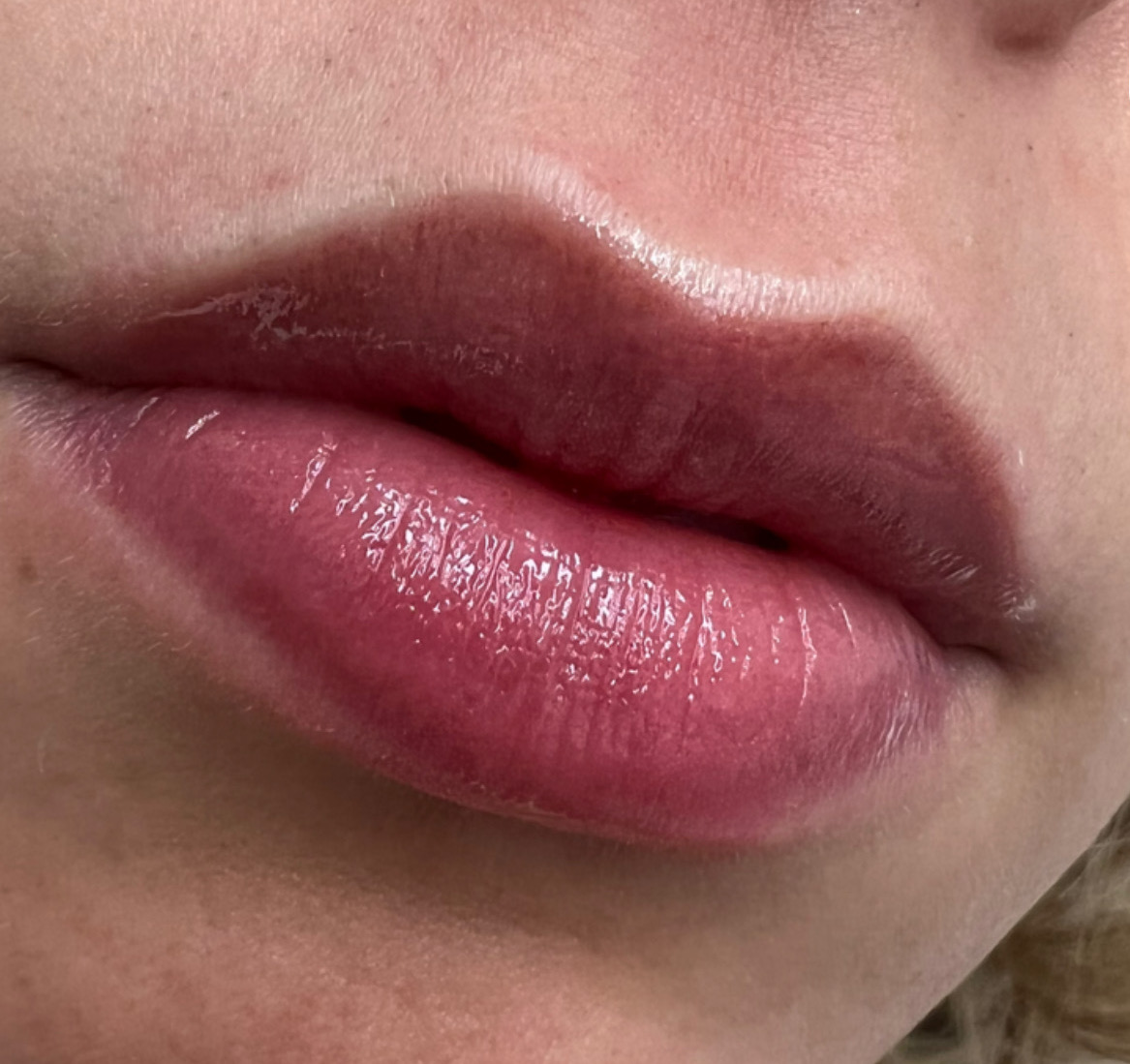
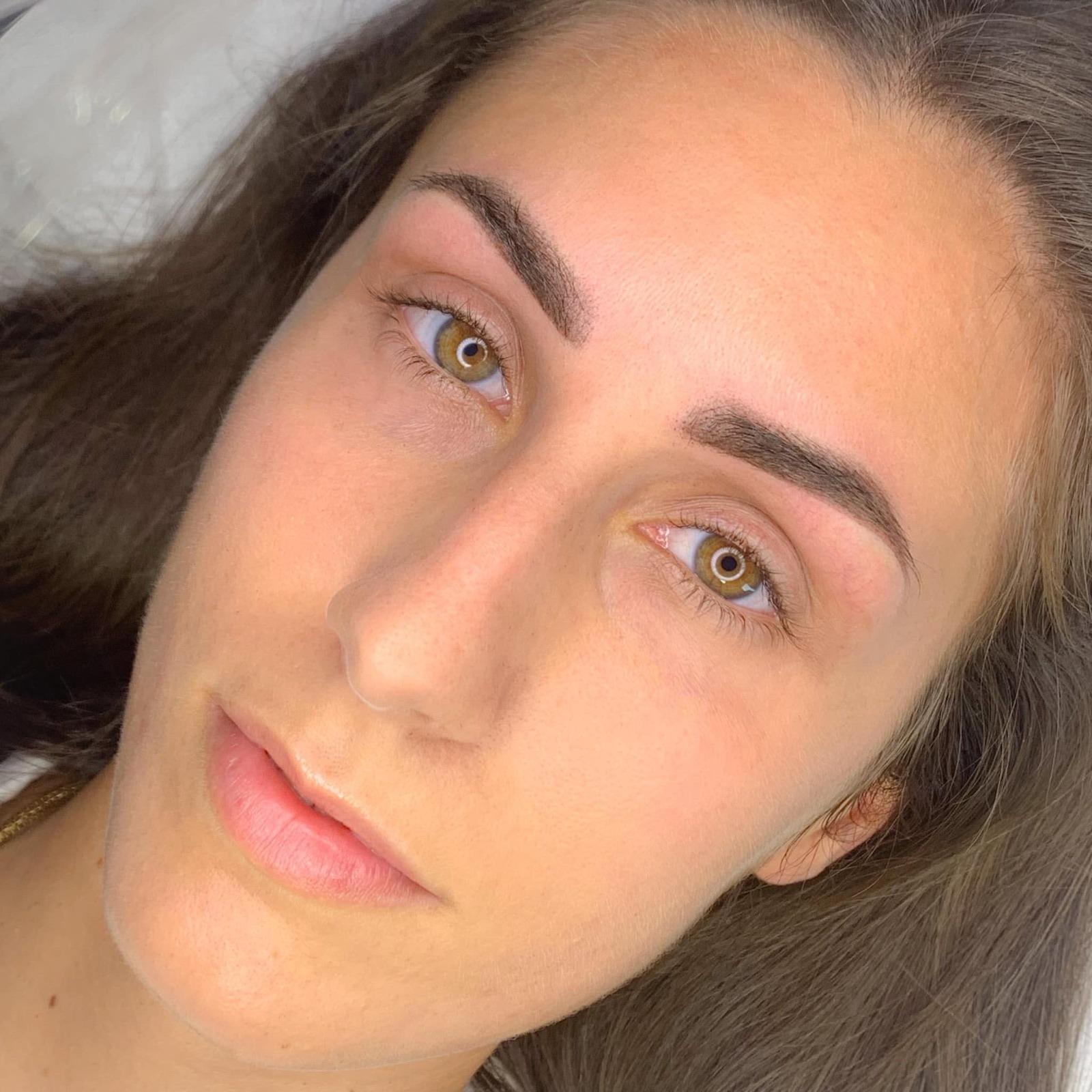
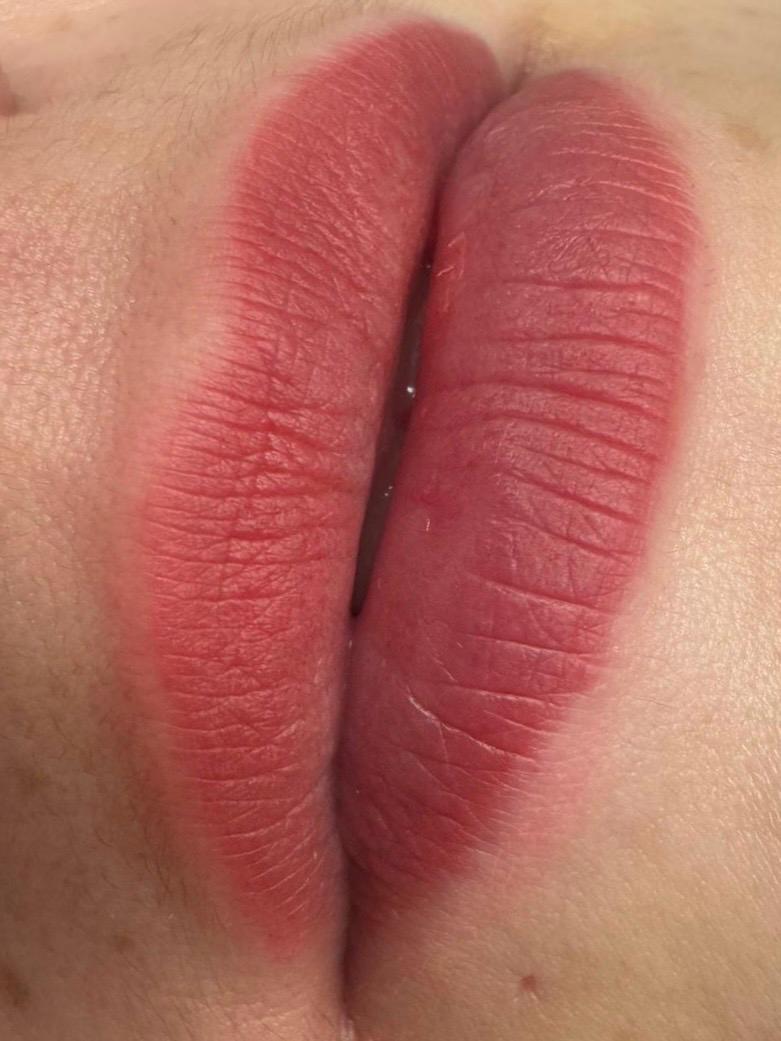
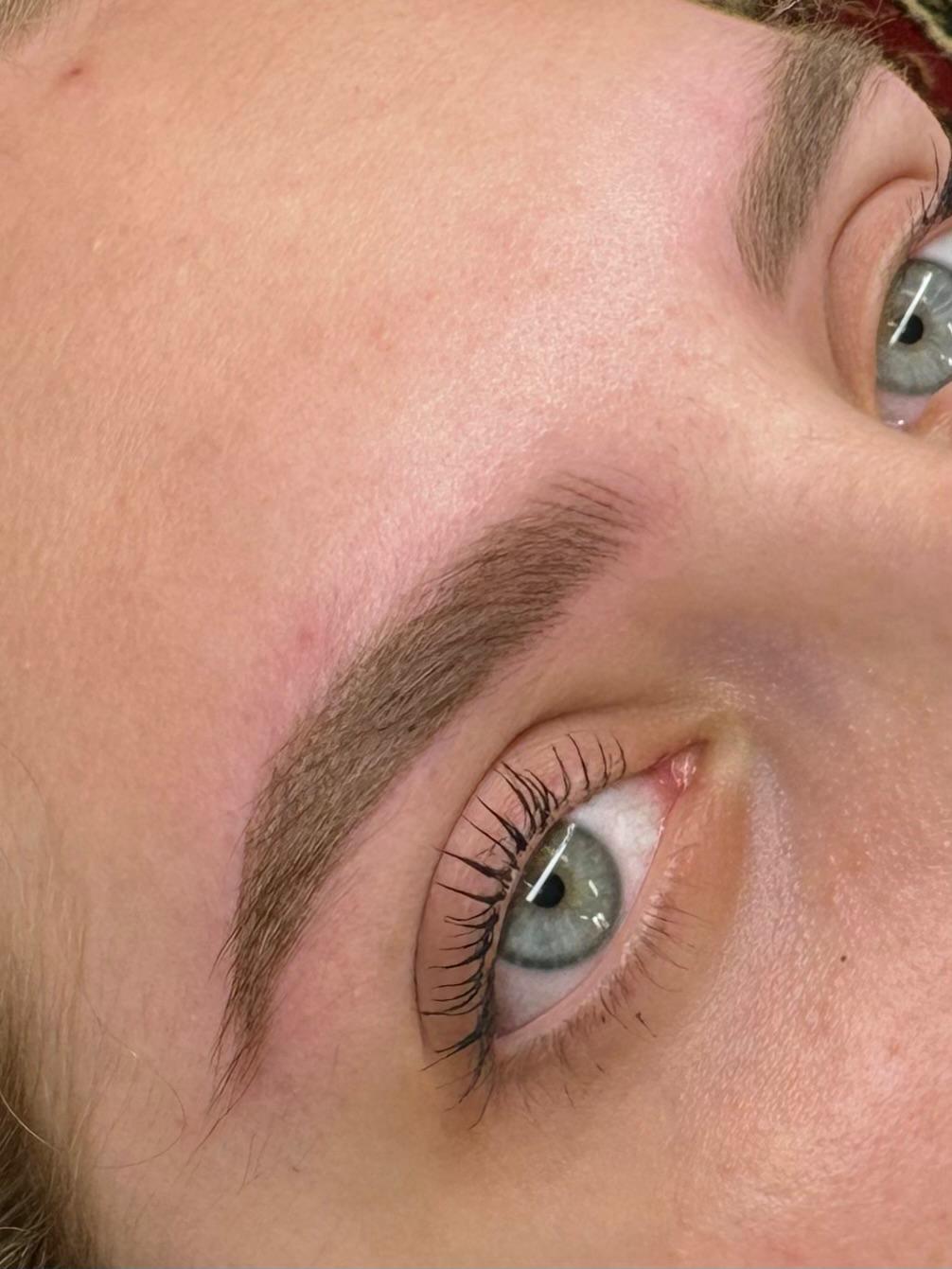
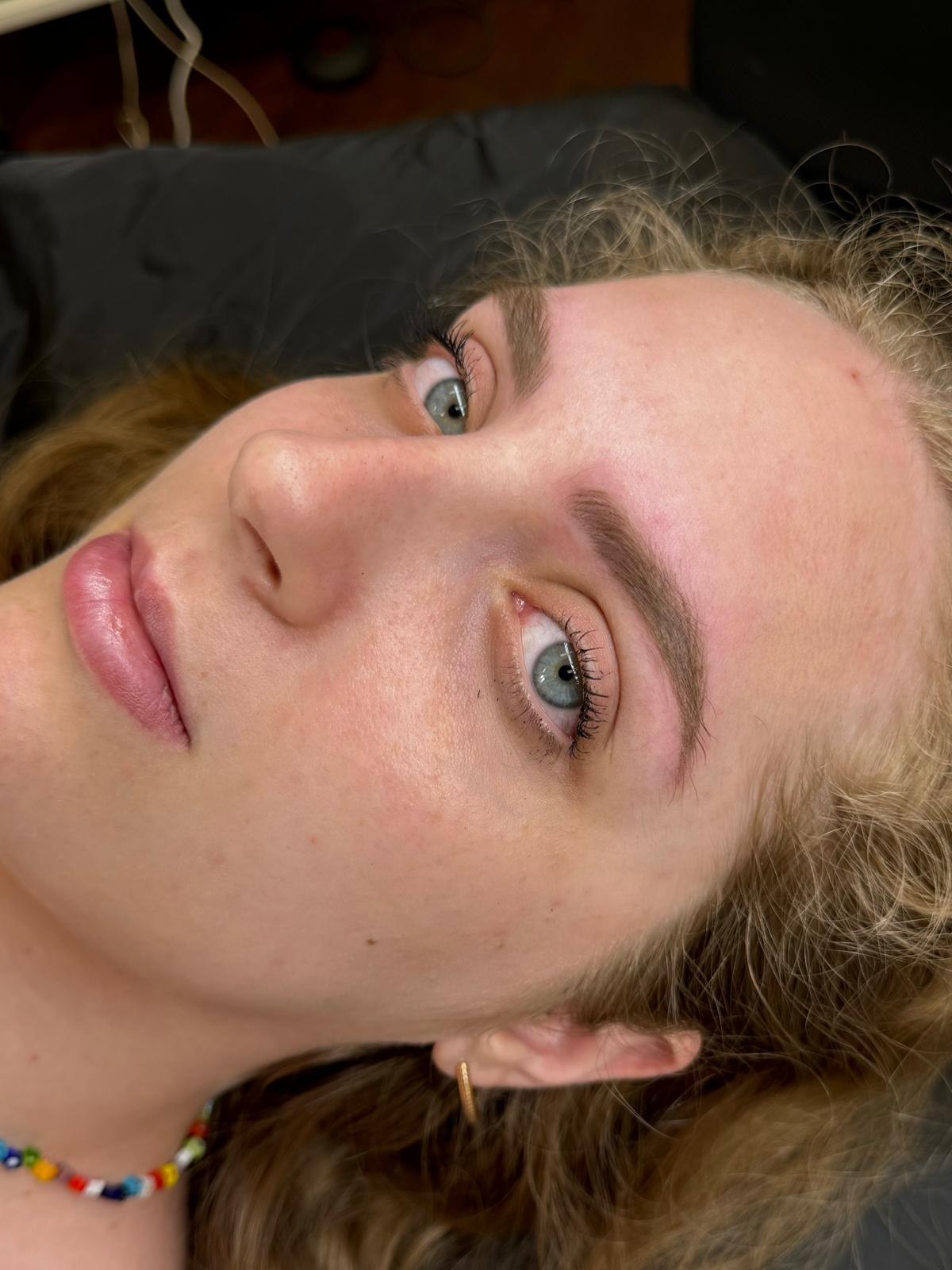
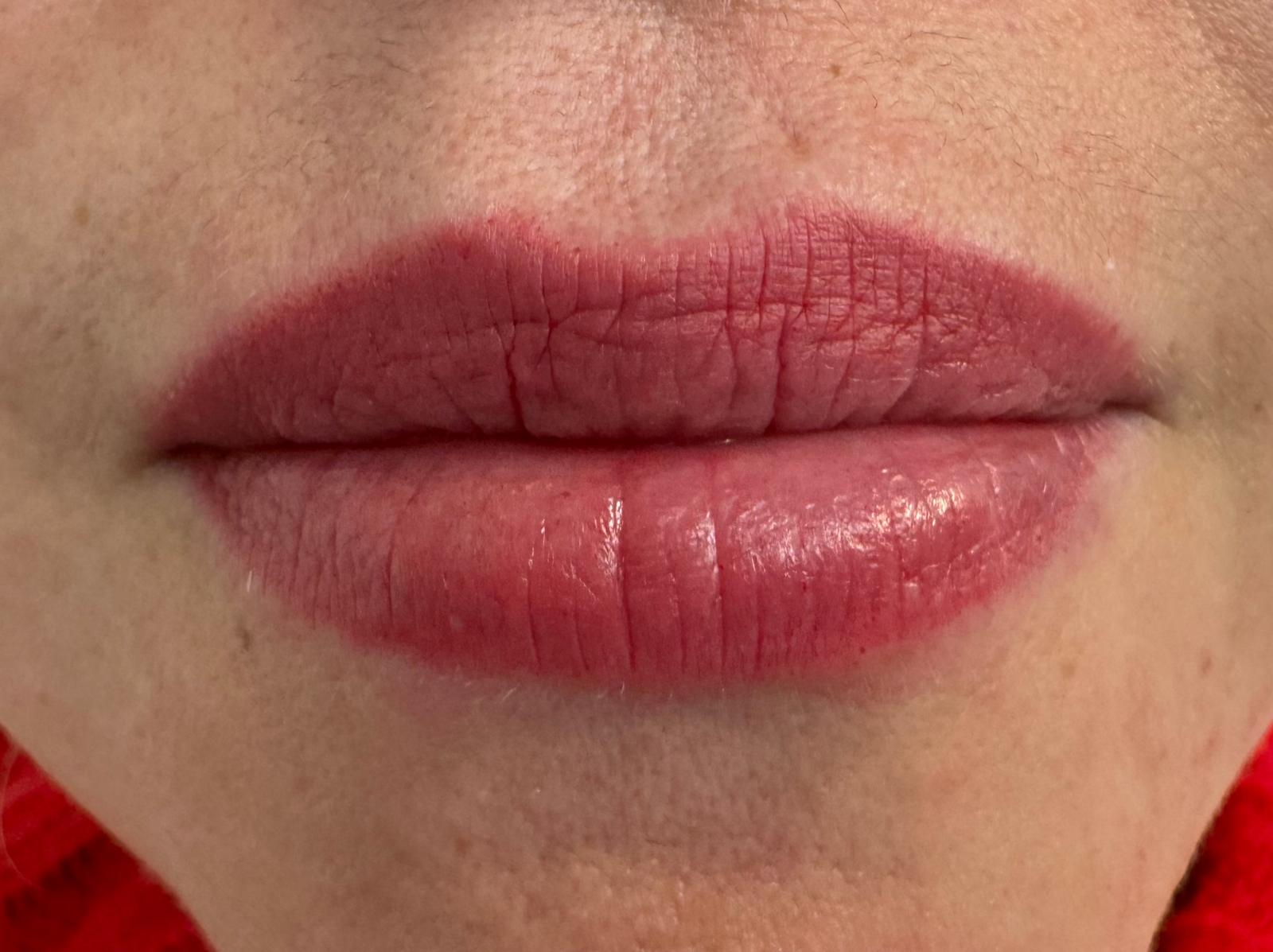
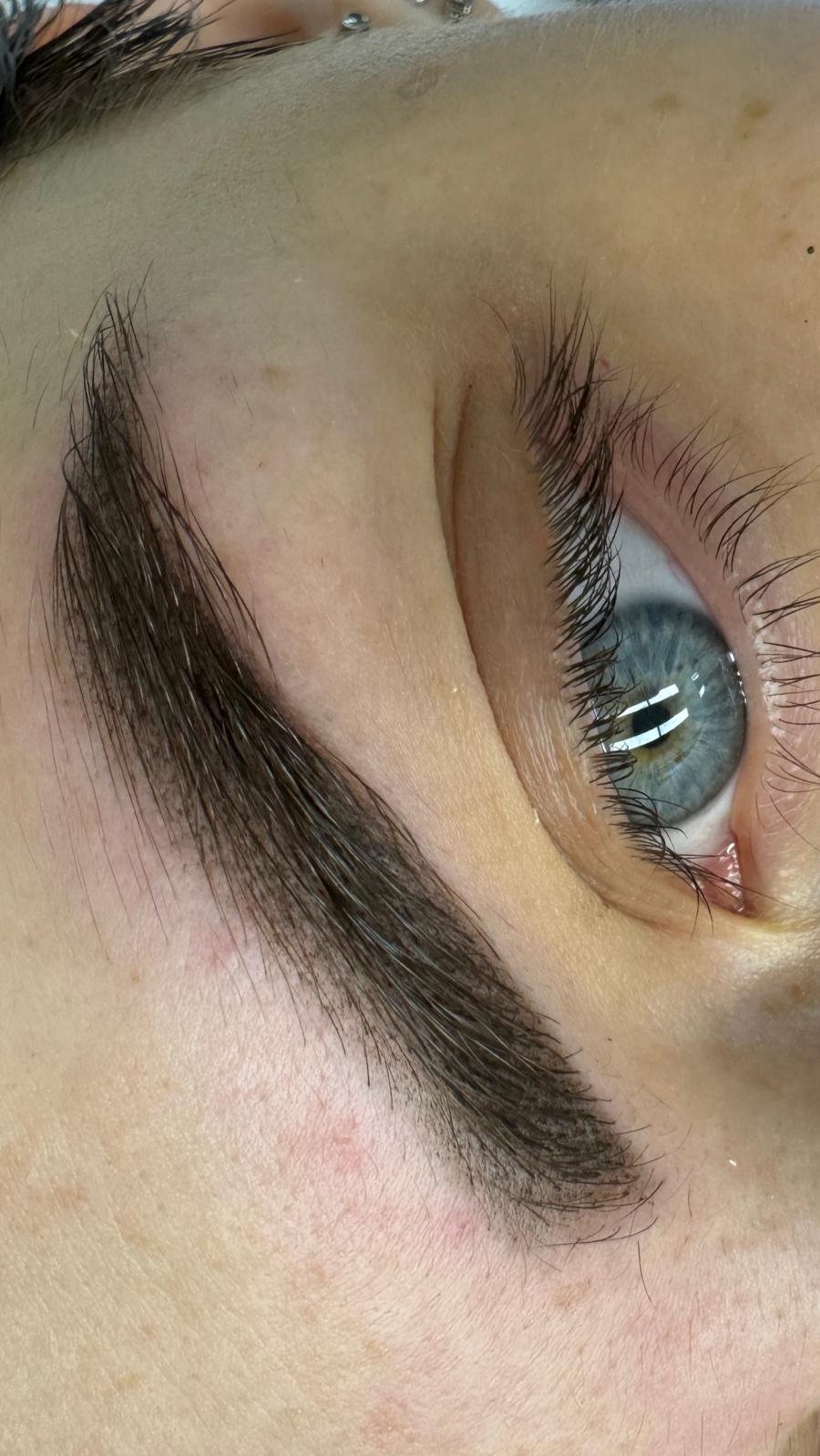
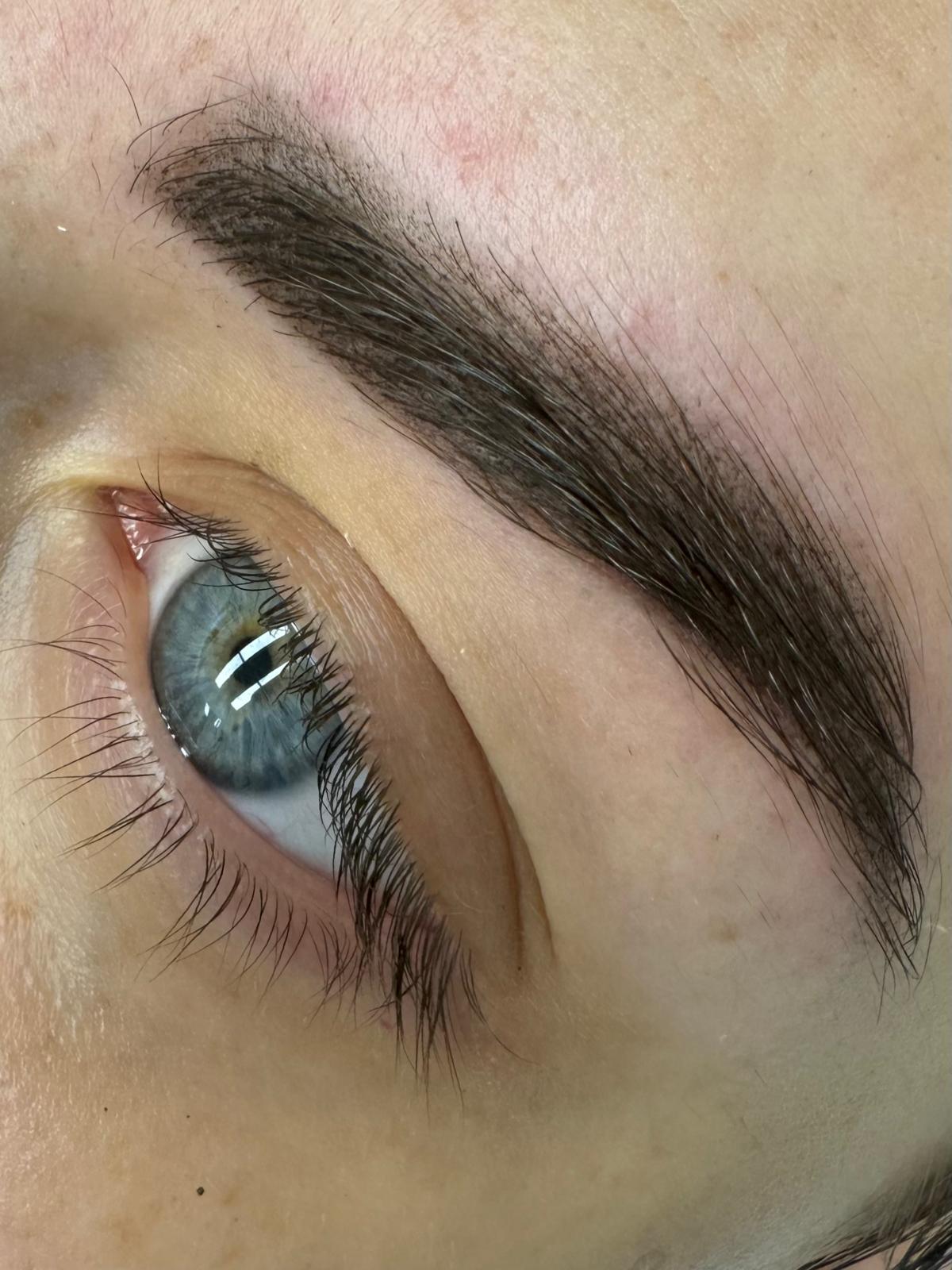

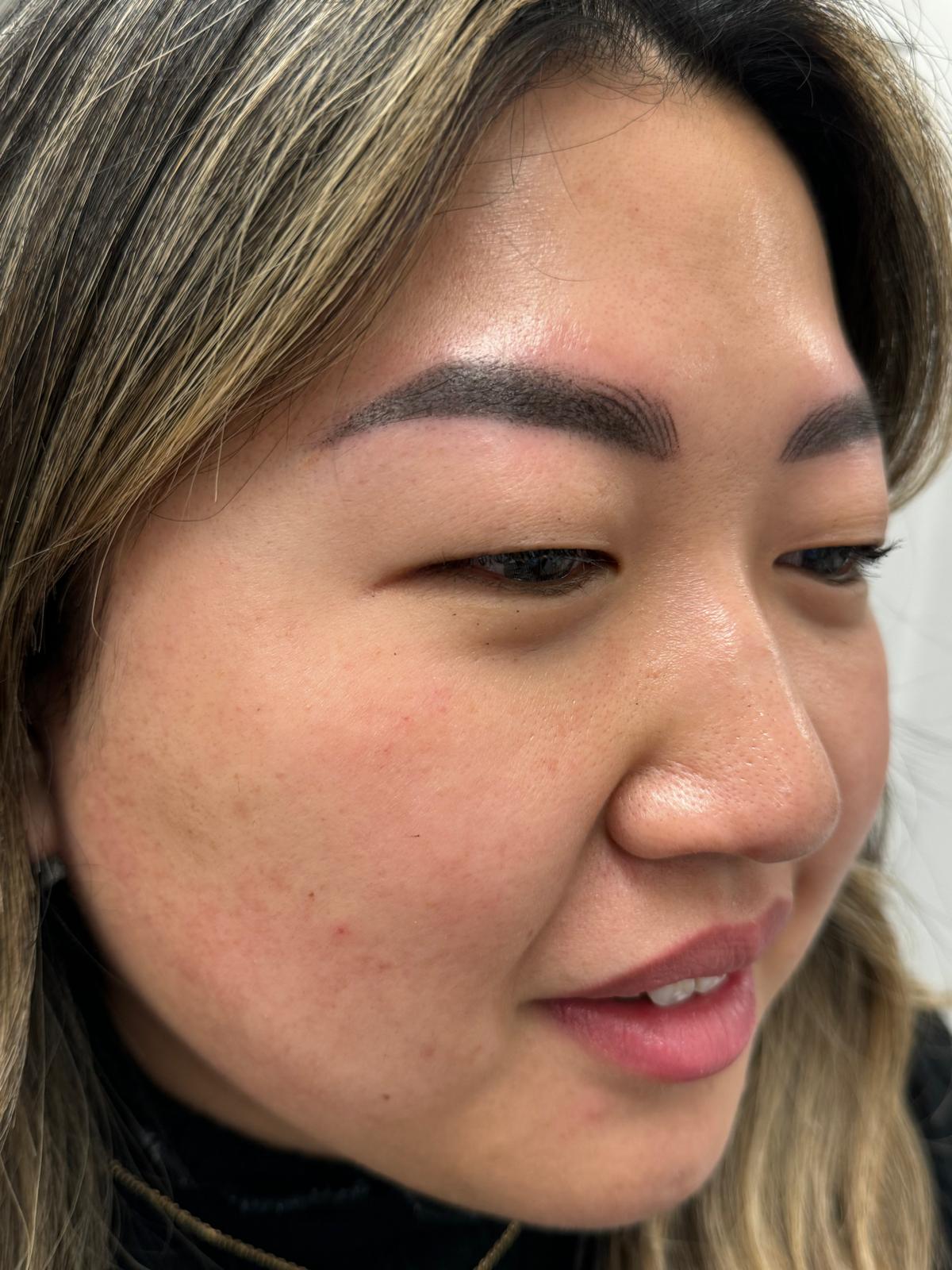
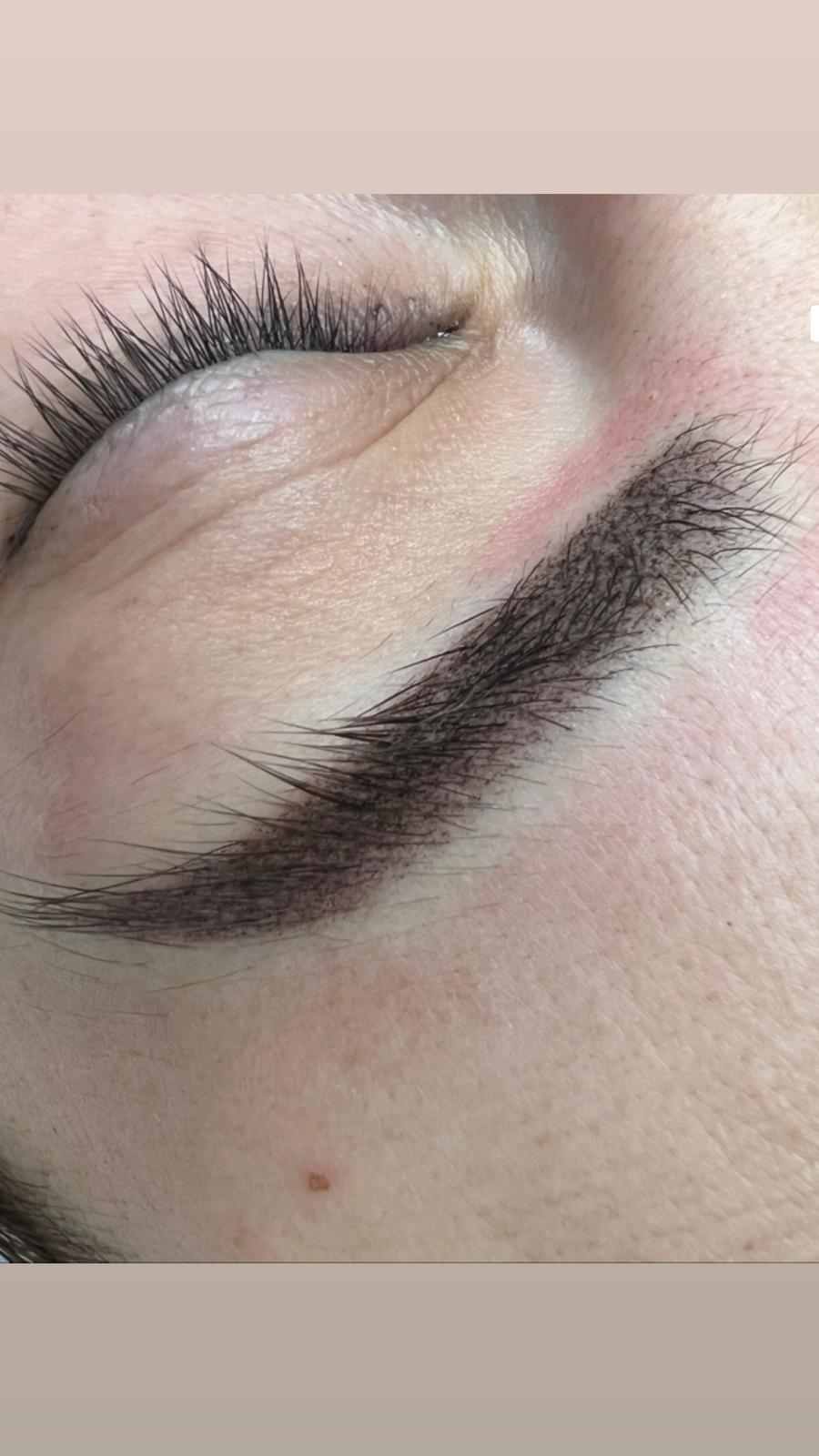
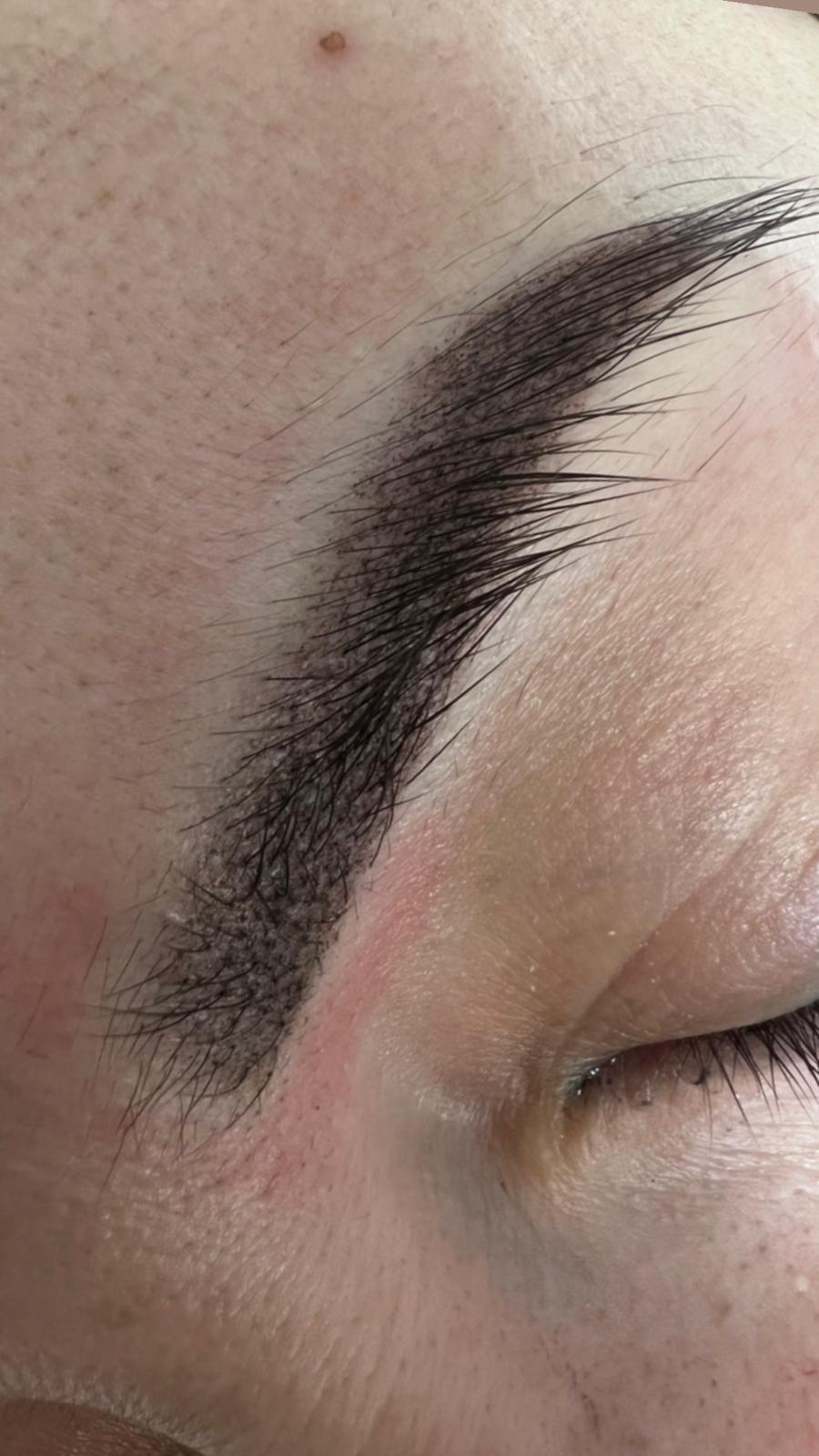
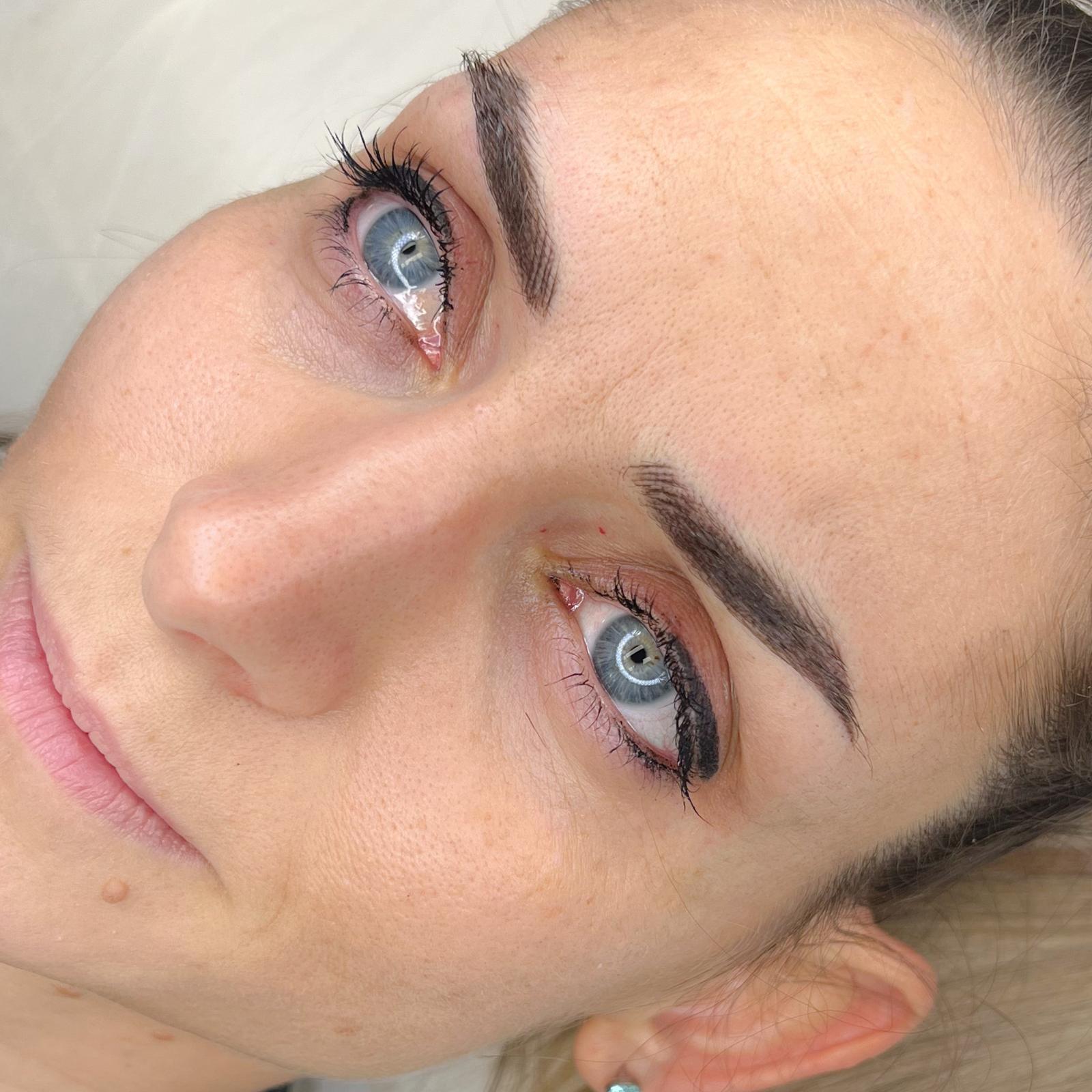
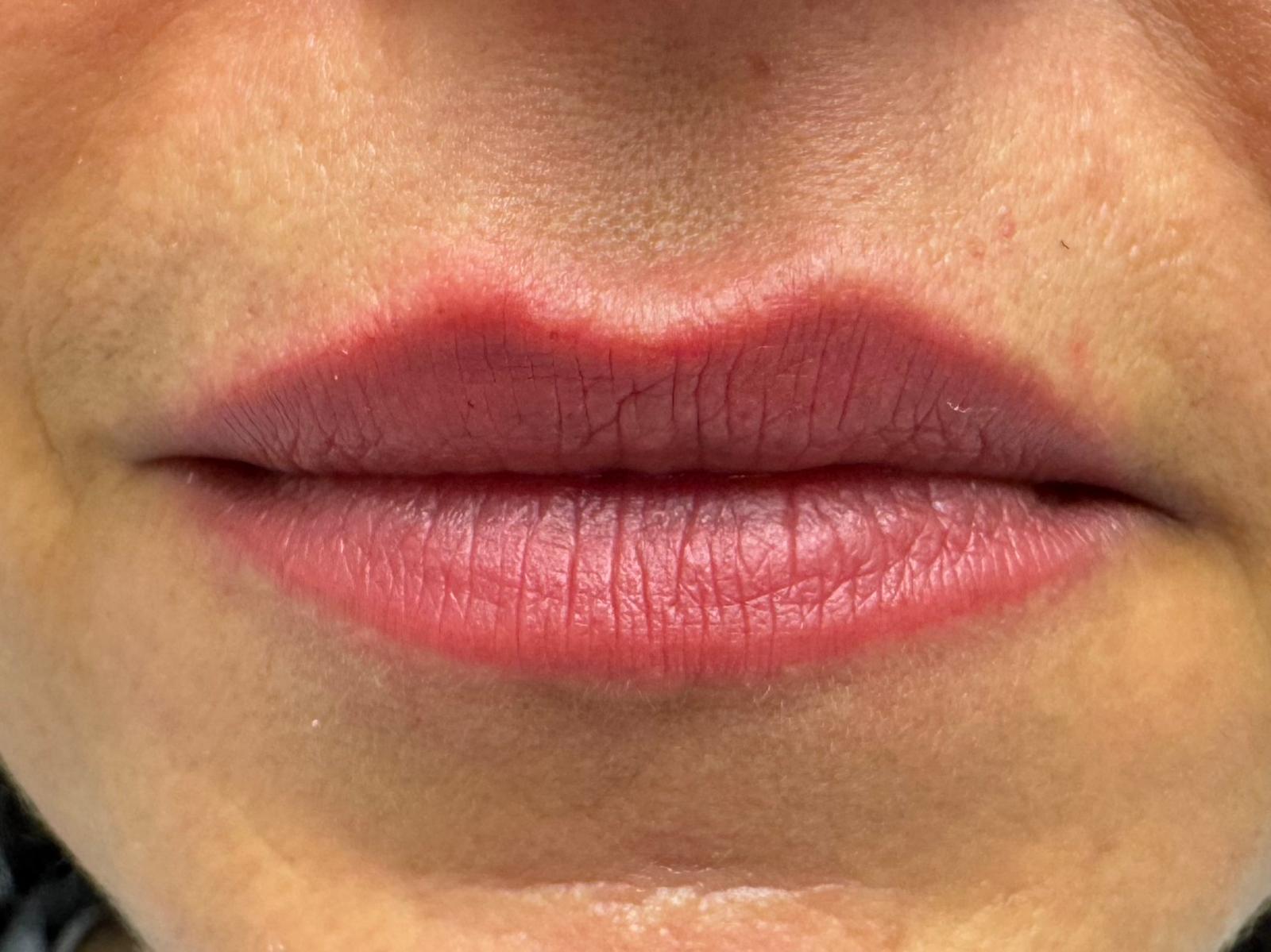
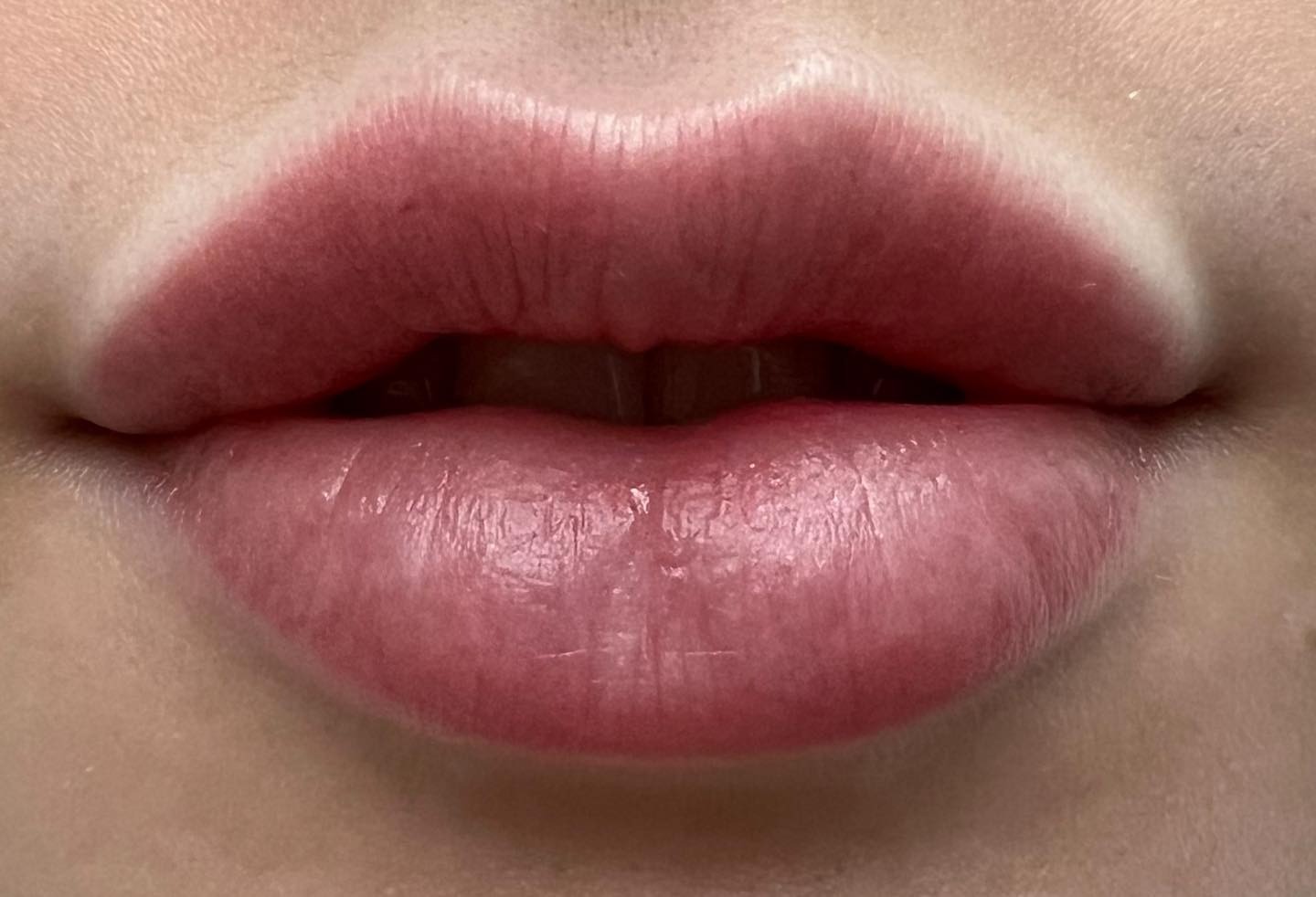
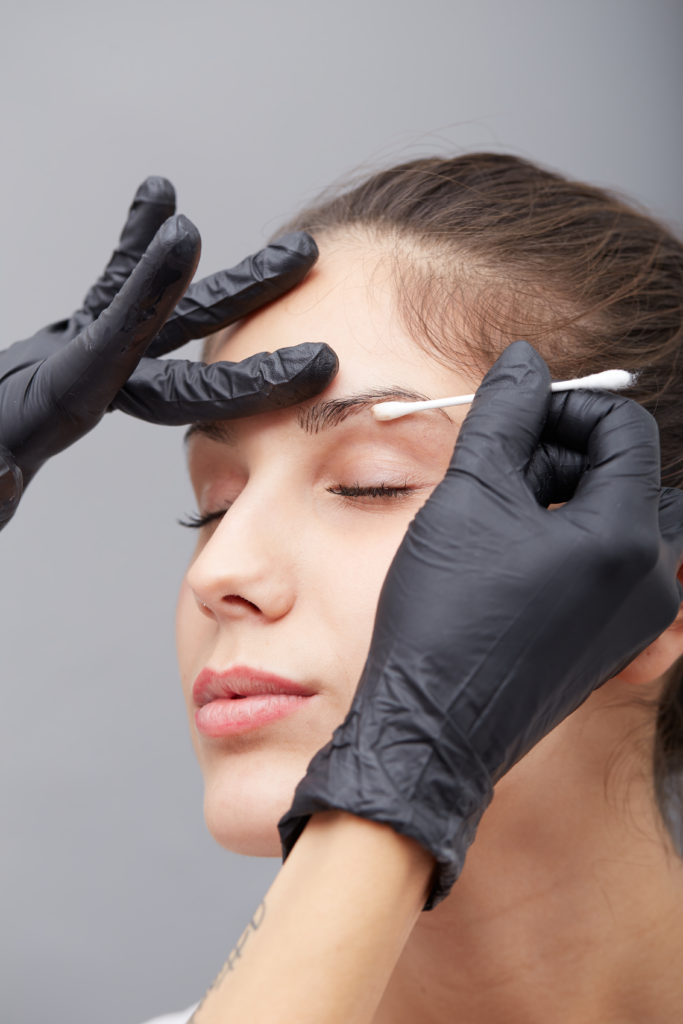
It is not a treatment. It is a journey.
Permanent Makeup is an aesthetic treatment performed using a PMU digital device and bioresorbable pigments, with the aim of enhancing and harmonising specific areas of the face.
But in my studio, we do not start with the needle.
We start by analysing the face.
Every face is unique.
Every skin responds differently.
Every person has different characteristics, expectations and needs.
For this reason, there are no standard shapes.
There are no rigid rules.
There are no one-size-fits-all results.
The Alessia Di Carlo Method
My work is based on one fundamental principle:
to design before performing the treatment.
Personalised Design
Shape, colour and intensity are studied for each individual face, taking into account:
Facial morphology
Natural facial expression
Proportions
Asymmetries
Skin quality
I do not use fixed formulas.
Every design is unique.

Respect for the Skin and Its Natural Timing
The result is not achieved in a single session.
I work in a gradual, controlled and progressive way, respecting the skin and its natural evolution.
I prefer a result that remains elegant over time rather than an immediate effect that looks artificial.
Natural Results Over the Medium to Long Term
When it comes to Permanent Makeup, what matters is not only the immediate result.
What truly matters is how the result evolves, stabilises and remains harmonious over the years.
The face should be enhanced.
Not transformed.
Who Is It Suitable For?
Permanent Makeup is suitable for those who wish to:
enhance the gaze
correct minor asymmetries
define the eyebrows or lips in an elegant way
achieve a polished and well-groomed appearance without looking artificial
It is not suitable for those seeking a bold, rigid or disproportionate result.
In My Studio
Every treatment is:
designed before it is performed
carried out according to a defined method
monitored over time
Because when working on a face, you are working with a person's identity.
And that requires expertise, vision and responsibility.
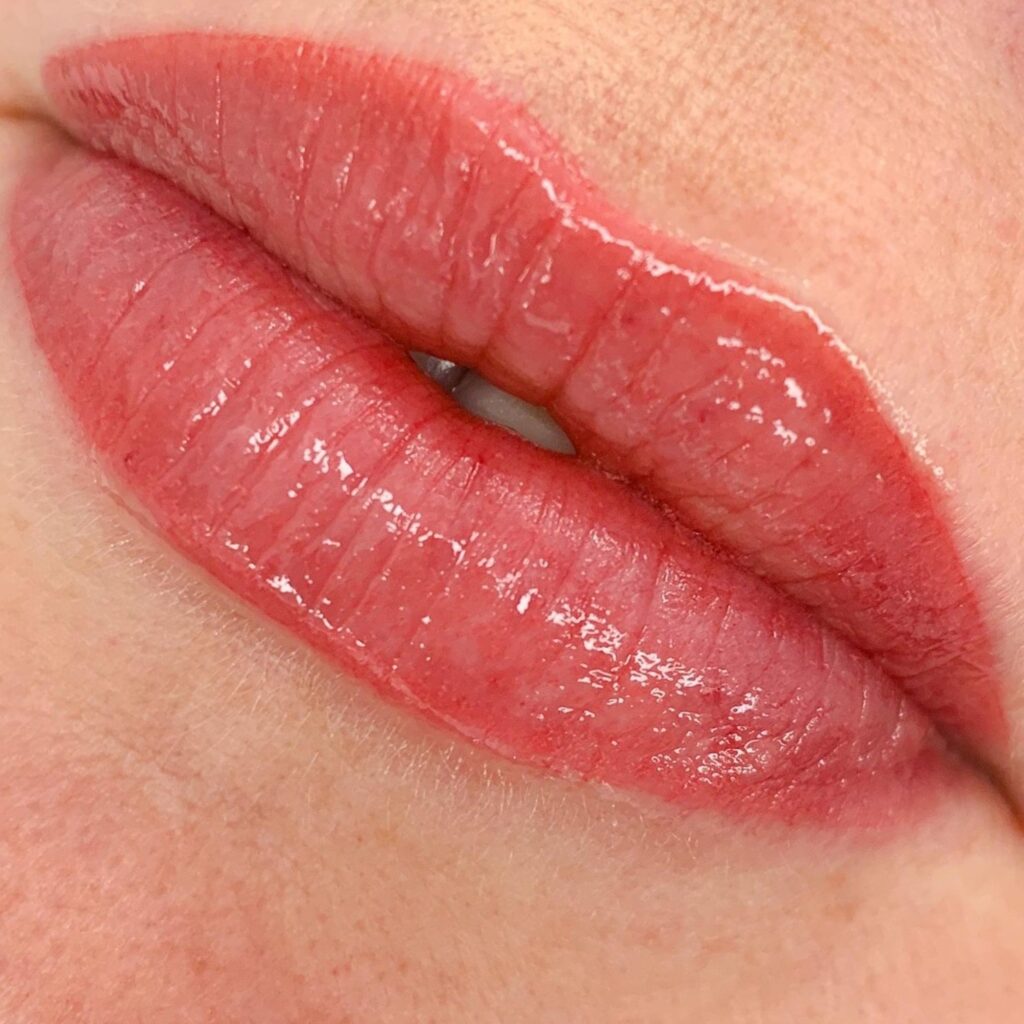
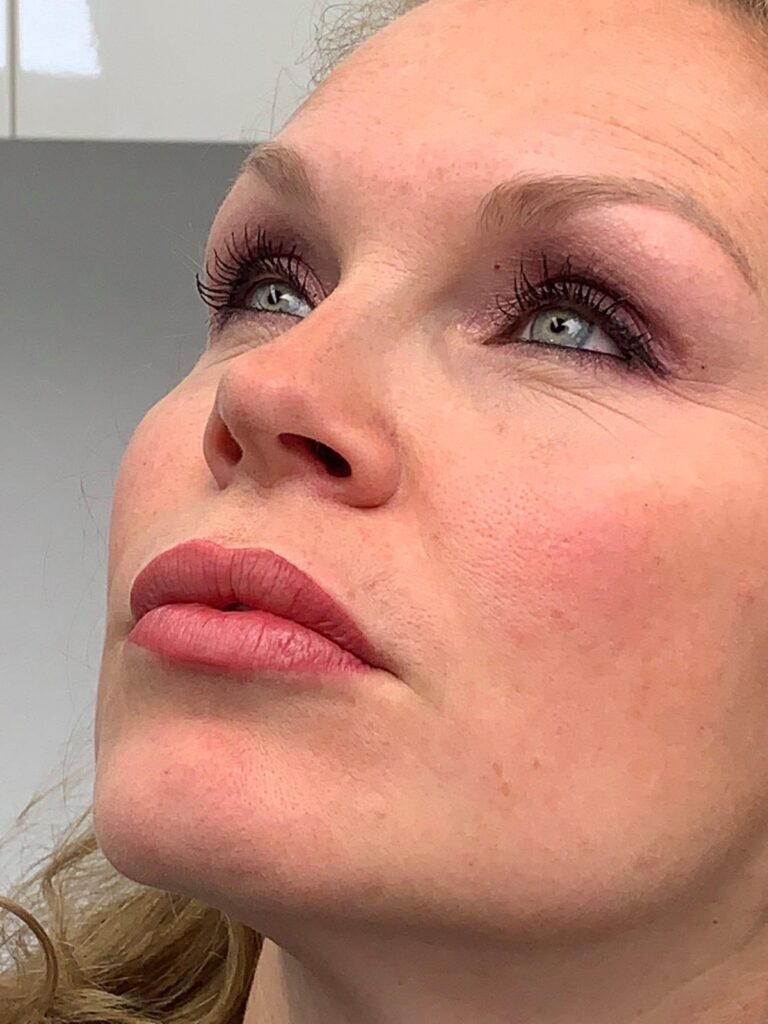
A well-performed treatment requires proper care in the days that follow.
Follow the studio's official aftercare instructions.
Frequently Asked Questions
The first and most significant difference between Microblading and Permanent Makeup lies in the application method. Microblading uses a blade to create multiple small incisions in the skin, designed to simulate the appearance of eyebrow hairs.
When repeatedly performed in the same areas over the years, Microblading may be more likely to cause trauma to the upper layers of the skin, potentially resulting in superficial or deeper scarring. In addition, Microblading is not suitable for all skin types and is generally not recommended for oily or very thin skin. On oily skin, the pigment may spread over time, reducing the natural appearance of the initial hair-stroke effect. Thin skin, being more fragile and less elastic, may be more prone to scarring or trauma if not treated carefully. It may also retain pigment less effectively, potentially affecting the longevity of the result. Permanent Makeup performed with a PMU digital device is generally more delicate, precise and less invasive for the skin. It can be adapted to all skin types, although results and longevity may vary depending on individual skin characteristics. Normal and dry skin are typically ideal for PMU, as the pigment tends to settle more effectively and last longer. Oily skin, due to increased sebum production, may require more frequent touch-ups.
With this technique, it is possible to achieve both a soft, shaded fill, including powder, ombré, soft-shading and pixel effects, and a realistic hair-stroke effect, recreating and defining the natural shape of the eyebrows in detail.
Unlike Microblading, Permanent Makeup performed with a PMU digital device can also be applied to the lips and eyes (eyeliner and lash enhancement).
The needles used in Permanent Makeup are sterile and single-use.
At present, the two terms have the same meaning. Originally, the term “permanent” referred to treatments performed using permanent pigments, a technique that was soon abandoned because, over time, the shape and colour of these tattoos often changed significantly, frequently developing blue tones
This led to the introduction of bioresorbable pigments, which are safe and allow for periodic touch-ups, ensuring that the result remains fresh and impeccable over time.
Permanent Makeup provides a remarkable and long-lasting result, although it is not permanent.
Because the pigments are bioresorbable, they are gradually absorbed by the skin over time. This process is highly individual, and there is no standard duration that applies to everyone. On average, the treatment can last from six months to one year.
The pigments used are certified, dermatologically tested, hypoallergenic and free from heavy metals. They comply with the current REACH regulation, the European Union legislation that ensures consumer safety. The main objective of this regulation is to guarantee a high level of health protection and safety through strict control of chemical products placed on the European market.
All needles used with the PMU digital device are sterile, single-use and opened in front of the client at the time of the treatment. The environment is carefully sanitised, and we use appropriate personal protective equipment.
All of these measures are essential and make the treatment extremely safe.
Permanent Makeup is not considered painful. Since it is performed in the superficial layers of the skin, it may cause, at most, a mild sensation of discomfort, which also depends on each individual's pain threshold. We do not use any type of anaesthetic in our studio.
In general, clients are in a state of complete relaxation and therefore do not experience significant discomfort.
No.
In my method, I do not use string mapping, calipers or measurement systems to determine the shape of the eyebrows.
Many techniques are based on geometric rules that use specific facial landmarks as reference points, such as the nose, the pupil or the outer corner of the eye. However, the human face is not a mathematical figure and cannot be interpreted through a one-size-fits-all formula.
An eyebrow may be technically correct according to a formula and still fail to enhance the person wearing it.
For this reason, the design process is carried out by observing the face as a whole.
I evaluate expression, bone structure, facial movement, age, eye position, natural asymmetries and the way all of these elements interact with one another.
The goal is not to find a theoretically perfect shape, but to identify the most harmonious shape for that specific face.
Every design is created freehand and built exclusively around the individual in front of me.
For this reason, I do not create standardised or “copy-and-paste” eyebrows: every face requires a different design approach.
A treatment performed correctly, with the appropriate depth, careful colour selection and respect for the characteristics of the skin, should not develop into unwanted colour changes over time.
For this reason, pigment selection, the technique used and the practitioner's experience are all fundamental factors.
Every skin responds differently over time, but the goal is to achieve a stable, harmonious and natural-looking result, even after healing.
It depends.
During the consultation, I assess the colour, shape, saturation and depth of the existing work.
In some cases, it is possible to correct the previous treatment and create a new design directly over the existing work.
In other cases, I may recommend a number of laser removal sessions before proceeding, in order to achieve a more natural and harmonious final result.
Every case requires an individual assessment.
No.
Immediately after the treatment, the colour may appear more intense, much like when wearing a lip gloss or a light lipstick.
Over the following days, the skin goes through its natural healing process and the colour gradually softens until it reaches a more natural shade that harmonises with your own colouring.
Lip healing is generally very quick and, in most cases, takes only a few days.
The goal of the treatment is not to create an artificial or overly made-up effect, but to enhance the lips while respecting the natural harmony of the face.
Absolutely.
This is one of the most common reasons why people choose this treatment.
Over the years, the natural colour of the lips tends to lose intensity and definition, making the natural lip border less visible.
Through careful design and accurate colour selection, it is possible to restore definition to the areas that have lost it, bringing back freshness, brightness and harmony to the lips.
Many people also perceive a subtle effect of increased volume, not because the shape is altered, but because restoring the natural colour makes the lips appear more defined and visually fuller.
If the treatment has been designed correctly, people will notice a face that looks more harmonious, refreshed and enhanced, not the treatment itself.
My philosophy has always been to create results that are natural, elegant and tailored to the individual.
The goal is not to make Permanent Makeup visible, but to reveal the natural beauty of the face.
Because I prefer to build the result gradually.
The first session creates an initial foundation, allowing the skin to respond and heal properly.
The following sessions make it possible to refine the shape, intensity and details while respecting the natural evolution of the treatment.
This approach allows for greater naturalness, better control over the final result and a more harmonious integration with the unique characteristics of the face.
The consultation is a fundamental part of my method.
It is the moment when we analyse your face, understand your goals, assess any previous work and define the most suitable treatment plan together.
Only after this phase is it possible to determine which treatment is truly right for you.
The best way to find out is through a personalised consultation.
Every face, every skin type and every starting point is different.
During the consultation, we will assess your individual characteristics, your goals and the result you would like to achieve, so that we can determine which treatment path is best suited to your needs.
No problem.
You will not be required to continue with touch-ups or maintain the treatment forever.
When the pigment is placed at the correct depth and the treatment is performed using the proper technique, the colour tends to fade gradually over time.
If you decide not to have any further touch-ups, the pigment will continue to be progressively reabsorbed.
A very subtle shadow may remain for a period of time. It is generally discreet and barely noticeable, and it will continue to fade further over the years.
My goal is not to create a result that binds you forever, but a treatment that can accompany you over time while always leaving you free to choose.
That said, I must be honest: in most cases, the opposite happens. Once people experience how much time it saves them each morning and how much more harmonious their face appears, they simply choose to maintain the result with periodic touch-ups.
No.
One of the fundamental principles of my method is to respect the natural evolution of the face over time.
The face is constantly changing: tissues, proportions, expressions and even the way we perceive our own image evolve over the years.
For this reason, I do not design treatments based solely on how they look today, but also on how the result will accompany you harmoniously over time.
Thanks to the use of pigments that gradually fade over time, the treatment can be updated, refined or adjusted according to changes in the face and your future needs.
The goal is not to bind you to a fixed shape, but to allow your eyebrows to remain in harmony with your natural evolution.
In other words, Permanent Makeup should not force the face to adapt to a shape chosen years earlier. The shape should evolve with the face as it changes.